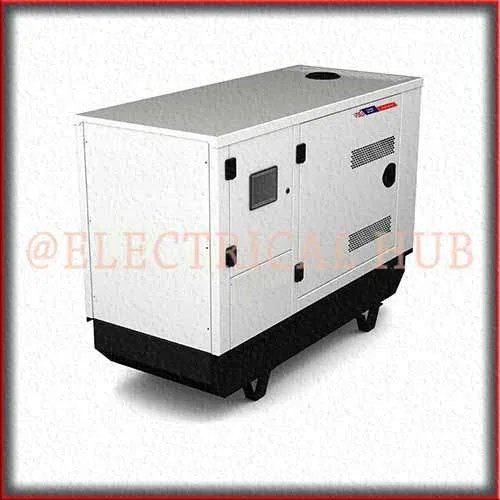
Imagine the hum of a refrigerator, the glow of lights, the seamless operation of a hospital or a bustling factory. What powers it all, especially when the main grid falters or there’s no grid at all? The answer, more often than not, is a generator. Far from a one-size-fits-all solution, the world of power generation offers a fascinating array of machines, each designed with specific strengths and types of generators & their applications to meet diverse needs.
Understanding these crucial differences isn't just for engineers; it's for homeowners preparing for an outage, business owners ensuring continuity, and anyone curious about the foundational technologies that keep our modern lives running. From compact portables to colossal industrial powerhouses, let's explore the engines that turn mechanical energy into the electricity we depend on every day.
At a Glance: Key Takeaways on Generators
- Generators convert mechanical energy into electrical energy. They are vital for backup, continuous power, and off-grid solutions.
- Fuel type largely defines a generator. Common options include diesel, gasoline, natural gas, propane, and biodiesel, each with distinct pros and cons.
- Renewable energy generators like hydro, wind, and solar offer sustainable alternatives, reducing reliance on fossil fuels.
- Specialized generators such as inverters provide "clean" power for sensitive electronics, while standby units offer automatic whole-home backup.
- Choosing the right generator depends on your specific power needs, budget, fuel availability, environmental considerations, and desired portability.
- Professional installation and regular maintenance are crucial for safety, efficiency, and longevity, especially for larger systems.
Why Generators Matter: A Quick Power Primer
At its heart, an electric generator is a marvel of engineering that bridges the gap between mechanical force and the invisible flow of electrons. Whether that force comes from an internal combustion engine, the rush of water, or the sweep of wind, the generator’s job remains the same: to create a reliable electrical current. This fundamental capability makes generators indispensable – not just for emergency situations, but as primary power sources in remote areas, as critical safeguards for essential services, and as economic enablers for countless industries.
The sheer variety of generators available today reflects the vast spectrum of energy demands across residential, commercial, and industrial sectors. Each type brings a unique blend of efficiency, cost, environmental impact, and operational characteristics to the table. Let's break down these distinct categories.
The Powerhouse Lineup: Diverse Types of Generators & Their Applications
When we talk about generators, it's often easiest to categorize them by their primary energy source or their core function. This approach helps to clarify where each type truly shines.
Combustion-Powered Workhorses: Reliable Power from Fossil Fuels
These generators dominate the market for backup and continuous power, relying on readily available fuels to produce electricity.
Diesel Generators: The Unstoppable Provider
Diesel generators are the heavy-lifters of the generator world. They use an internal combustion engine to convert diesel fuel into mechanical energy, which then drives the generator. You'll find them everywhere from bustling construction sites to critical data centers, hospitals, and remote industrial operations.
Why they're chosen:
- Durability and Longevity: Built for rigorous, prolonged use, often with robust industrial-grade engines.
- Fuel Efficiency: Known for consuming less fuel compared to gasoline generators, especially under heavy loads.
- High Torque: Excellent for starting and running large, demanding equipment.
- Performance in Cold: Can operate effectively in freezing temperatures with the right winterized diesel.
- Applications: Ideal for long-term continuous power, large-scale backup for critical infrastructure, and powering remote locations where grid access is limited.
Things to consider: - Emissions: Produce harmful emissions, making them less suitable for indoor use without proper ventilation.
- Noise: Can be significantly louder than other types.
- Fuel Storage: Requires a secure, often large, fuel storage solution.
Gasoline Generators: Your Portable Power Pal
Gasoline generators are often the first image that comes to mind when thinking of personal backup power. Typically smaller and lighter than their diesel counterparts, they run on gasoline and are prized for their portability and ease of acquisition.
Why they're chosen:
- Portability: Designed for easy transport, making them perfect for camping, tailgating, and temporary job sites.
- Lower Initial Cost: Generally more affordable to purchase than other generator types.
- Accessibility: Gasoline is widely available at service stations.
- Applications: Excellent for residential backup during short power outages, powering tools on small job sites, and recreational activities.
Things to consider: - Fuel Efficiency: Less fuel-efficient than diesel, leading to higher operational costs over time.
- Emissions: Also produce emissions, requiring careful outdoor placement.
- Fuel Storage: Gasoline has a shorter shelf life than diesel and requires safe storage.
Natural Gas Generators: The Standby Solution
Often categorized primarily as standby units, natural gas generators tap into an existing gas line, eliminating the need for on-site fuel storage or refueling. They represent a strong choice for hands-off, automatic backup power.
Why they're chosen:
- Low Emissions: Produce significantly lower emissions compared to diesel or gasoline, making them a greener fossil fuel option.
- Continuous Fuel Supply: Directly connected to a natural gas line, meaning they can run for extended periods without manual refueling.
- Durability: Built to last, providing reliable power for years.
- Ease of Use: Once installed, they typically operate automatically during an outage, requiring minimal intervention.
- Applications: Ideal for whole-home backup, small commercial businesses, and properties with an existing natural gas supply.
Things to consider: - High Initial Installation Cost: Requires professional installation to connect to the gas line, which can be expensive.
- Vulnerability to Extreme Cold: Gas lines can be susceptible to freezing in very low temperatures, potentially disrupting fuel supply.
- Grid Dependence: If a major disaster disrupts the natural gas grid, the generator will lose its fuel source.
Propane Generators: Versatile & Cold-Ready
Propane generators offer a flexible alternative, especially popular for home use where natural gas isn't available. They run on liquid propane, stored in tanks, providing a clean-burning fuel option.
Why they're chosen:
- Clean Burning: Produces fewer emissions than gasoline or diesel.
- Easy to Find and Store: Propane tanks are widely available and can be stored on-site.
- Effective in Cold Climates: Propane performs well in cold weather, making it a reliable choice for regions with harsh winters.
- Applications: Common for residential backup, off-grid cabins, and powering specific appliances during outages.
Things to consider: - Higher Operational Cost: Propane can be more expensive per energy unit than natural gas and burns faster than diesel, leading to higher running costs.
- Fuel Storage Limits: Tank capacity dictates run time, and refilling can be cumbersome for prolonged outages.
Biodiesel Generators: Greener Power, Short-Term Savvy
For those seeking a more environmentally conscious combustion option, biodiesel generators offer a compelling choice. They blend traditional diesel with biological sources like vegetable oil or animal fat, reducing reliance on nonrenewable fuels and lowering emissions.
Why they're chosen:
- Eco-Friendlier: Significantly reduces the carbon footprint compared to pure diesel.
- Reduced Nonrenewable Fuel Use: Contributes to sustainability efforts.
- Applications: Best for short-period power needs where environmental impact is a key concern, or as part of a hybrid system.
Things to consider: - Fuel Availability: Biodiesel can be less readily available than conventional diesel in many areas.
- Reliability for Extended Outages: May not be the most reliable choice for very long outages due to potential fuel sourcing challenges and compatibility issues with older engines.
Harnessing Nature's Might: Renewable Energy Generators
Moving beyond fossil fuels, renewable energy generators capture the earth's natural processes to create electricity, offering sustainable and often zero-emission solutions.
Hydroelectric Generators: Flowing Power, Endless Energy
Hydroelectric generators are titans of renewable energy, converting the kinetic energy of flowing water into electricity. These systems are primarily found in dams or run-of-river installations, representing a fundamental pillar of large-scale renewable power.
Why they're chosen:
- Sustainable and Clean: Produce electricity without burning fuel, resulting in zero emissions during operation.
- Continuous Power: Provide a highly reliable and consistent power output, often dispatchable on demand.
- No Fuel Costs: Once built, the "fuel" (water) is free.
- Applications: Crucial for regional and national grids, powering entire communities and industries, and significantly reducing dependence on fossil fuels.
Things to consider: - High Initial Investment: Dam construction and turbine installation are massive, multi-billion dollar projects.
- Environmental Impact: Can alter ecosystems, impacting fish migration and local hydrology.
- Geographical Constraints: Requires specific hydrological conditions (e.g., rivers, elevation drops).
Wind Turbines: Capturing the Breeze
Wind turbines are iconic symbols of the renewable energy revolution. They harness wind energy using rotating blades that drive a generator, converting the kinetic energy of the wind into electrical power.
Why they're chosen:
- Reduced Carbon Footprint: A key technology for mitigating climate change by producing clean energy.
- Scalability: Ranging from small residential units to massive wind farms stretching for miles.
- Applications: Powering individual homes, contributing to community microgrids, and forming utility-scale wind farms for grid integration.
Things to consider: - Output Fluctuation: Power generation is directly dependent on wind availability, which can be intermittent.
- Requires Complementary Systems: Often needs energy storage (batteries) or backup generators to ensure consistent power supply.
- Visual and Noise Impact: Can be a concern for some communities.
Solar Generators: Silent, Sun-Powered Versatility
Solar generators utilize photovoltaic (PV) panels to convert sunlight directly into electrical energy. These systems typically integrate batteries for storage and an inverter to convert the DC power from the panels and batteries into usable AC power for appliances.
Why they're chosen:
- Silent Operation: Produce no noise during power generation.
- Zero Emissions: Completely clean power production.
- Versatility: Suitable for a wide range of applications, from small portable devices to whole-home systems.
- Applications: Excellent for off-grid living, emergency backup, charging electronics during camping trips, and reducing electricity bills through grid-tied systems.
Things to consider: - Output Dependence on Sunlight: Power generation is limited by daylight hours and weather conditions.
- Storage Requirements: Batteries are essential for continuous power during nighttime or cloudy days.
- High Initial Installation Costs: Whole-home systems can be a significant upfront investment, though costs are decreasing. If you're considering a solar setup, you'll need to accurately size a solar generator system to meet your specific needs.
Industrial Giants & Specialized Systems: Powering the Grid and Beyond
Some generators are built for sheer scale, while others employ advanced techniques for specific power quality or fuel types.
Steam & Gas Turbine Generators: Utility-Scale Powerhouses
These are the workhorses of large-scale power plants and industrial facilities.
- Steam Turbines: Use expanding high-pressure steam (generated by burning various fuels like coal, natural gas, or even nuclear fission) to spin a turbine, which then drives a generator.
- Gas Turbines: Combust fuel (typically natural gas or diesel) directly to produce hot, high-pressure gas that drives a turbine and generator.
Why they're chosen: - High Efficiency: Especially when integrated into combined cycle power plants that capture waste heat.
- Vast Power Output: Capable of producing immense amounts of electricity, vital for entire cities and industrial complexes.
- Reliability: Designed for continuous, long-term operation.
- Applications: The primary means of utility-scale power generation for national grids, large industrial processes, and marine propulsion.
Things to consider: - Fuel Dependence: Many rely on fossil fuels, contributing to emissions.
- Complex Infrastructure: Require extensive, specialized infrastructure for construction and operation.
Hydrogen Generators: The Future of Clean, Robust Power
Hydrogen generators represent a cutting-edge, albeit still developing, technology. These systems primarily use hydrogen gas in fuel cells to produce electricity, offering a glimpse into a very clean energy future.
Why they're chosen:
- High Power Output: Capable of generating substantial power.
- Durability and Impact Resistance: Often robustly built for demanding environments.
- Quiet Operation: Fuel cells produce very little noise.
- Zero Emissions (from fuel cell): The only byproduct is water, making them incredibly clean at the point of use.
- Applications: Currently niche, but potential for heavy-duty vehicles, industrial power, and critical infrastructure seeking ultimate clean power.
Things to consider: - Expensive and Scarce: High production costs and limited availability make them uncommon.
- Hydrogen Production: The most common methods for producing hydrogen still rely on fossil fuels, meaning the "cleanliness" depends on the hydrogen source.
- Storage and Infrastructure: Hydrogen storage and distribution infrastructure are still developing.
Induction & Permanent Magnet Generators: The Science Behind the Spin
While not standalone consumer products, these generator types are integral components within larger systems.
- Induction Generators: Generate energy by creating electromagnetic fields that turn an internal rotor at varying speeds. They require an external source of mechanical energy to start and are primarily used in applications where the input speed isn't constant, such as within wind turbines and mini hydro plants. They're generally not suitable for direct home use due to their unstable wattage output.
- Permanent Magnet Generators (PMGs): Utilize permanent magnets to create the magnetic field necessary for electricity generation. This design enhances efficiency and reduces maintenance needs compared to generators that rely on electromagnets requiring external excitation current. You'll find PMGs at the core of many modern wind turbines and increasingly in high-efficiency hydroelectric systems. Their ability to generate power efficiently at lower speeds makes them a preferred choice for direct-drive applications.
Beyond Fuel Type: Function-Specific Generators
Sometimes, a generator is defined less by its fuel and more by its form factor or the quality of power it produces.
Portable Generators: Power On the Go
As the name suggests, portable generators are designed for mobility. They are typically fueled by gasoline or propane and prioritize ease of transport over maximum power output.
Why they're chosen:
- Mobility: Equipped with wheels and handles for easy movement.
- Affordability: Generally the most budget-friendly generator option.
- Versatility: Useful for a wide range of temporary power needs.
- Applications: Emergency home backup, powering tools on job sites, recreational activities like camping or tailgating, and outdoor events.
Things to consider: - Limited Power Output: May not be able to power an entire home.
- Manual Operation: Requires manual starting, refueling, and connection.
- Noise and Emissions: Typically louder and have higher emissions than standby units. Regular attention to how you maintain your portable generator will ensure it's ready when you need it most.
Inverter Generators: Precision Power for Sensitive Tech
Inverter generators represent a significant leap in portable power technology. Unlike traditional generators that produce raw AC power directly, inverter generators go through a three-phase process: converting AC to DC, then inverting it back to clean, stable AC power.
Why they're chosen:
- Clean, Stable Power: Produces high-quality power with minimal harmonic distortion, making it safe for sensitive electronics like laptops, smartphones, and medical devices.
- Quiet Operation: Often significantly quieter than conventional generators due to advanced engine designs and the ability to throttle engine speed based on load.
- Fuel Efficiency: Adjusts engine speed to match power demand, leading to better fuel economy.
- Compact and Lightweight: Often more portable than traditional generators of similar output.
- Applications: Powering sensitive electronics, camping, RVs, and any situation where quiet operation and clean power are paramount. To truly appreciate their benefits, it's worth taking the time to learn more about inverter technology.
Things to consider: - Higher Cost: Generally more expensive than conventional portable generators.
- Limited High-Power Output: While powerful enough for many needs, individual inverter generators typically have lower maximum outputs than large conventional generators.
Standby Generators: Your Home's Automatic Power Guardian
Standby generators are semi-permanent installations designed to automatically kick in when grid power fails. They are typically connected to a home's electrical system via an automatic transfer switch and fueled by natural gas or propane from a dedicated line or large tank.
Why they're chosen:
- Automatic Operation: Detects power outages and starts up automatically, providing seamless power restoration.
- Whole-Home Power: Capable of powering entire homes or critical circuits, often featuring industrial-grade engines.
- Fuel Efficiency (for their size): Designed for extended run times.
- Convenience and Peace of Mind: No manual setup, refueling, or extension cords during an emergency. Some even include Wi-Fi monitoring.
- Applications: Essential for homes in areas prone to frequent or long outages, for those with critical medical equipment, or for businesses requiring uninterrupted operation. If you're considering a more permanent solution, our guide on installing a standby generator offers crucial insights.
Things to consider: - Higher Price Point: Significantly more expensive than portable units due to larger size, automatic features, and professional installation requirements.
- Professional Installation Required: Installation involves electrical and fuel line work, making it a job for certified professionals.
- Regular Maintenance: Requires routine checks and servicing to ensure readiness.
Choosing Your Generator: A Decision Framework
With such a diverse landscape of options, selecting the right generator can feel daunting. But by asking a few key questions, you can narrow down the choices and find the perfect fit for your needs.
Assess Your Needs: What's Your Power Profile?
Start by defining why you need a generator and what you intend to power.
- Emergency Backup: Are you preparing for occasional power outages? How long do they typically last? Do you need to power an entire home, or just essential circuits (refrigerator, furnace, some lights)?
- Continuous Power: Do you live off-grid or need a primary power source for a remote cabin, construction site, or industrial operation?
- Recreational Use: For camping, RVs, tailgating, or outdoor events, portability and quiet operation might be paramount.
- Sensitive Electronics: Will you be powering computers, medical devices, or high-fidelity audio equipment that requires "clean" power?
- Load Requirements: List all appliances and devices you plan to power. Calculate their starting (surge) wattage and running (continuous) wattage. This will determine the overall power output (in watts or kilowatts) your generator needs to deliver. Overestimating is better than underestimating.
Fueling Your Choice: Availability & Cost
The fuel source is a major differentiator, impacting everything from running costs to logistics.
- Availability: Is natural gas piped to your property? How easily can you acquire and store gasoline or propane? What about biodiesel?
- Cost: Compare the cost per unit of energy for each fuel type in your region. Consider the long-term operational costs, not just the upfront fuel price.
- Storage: Gasoline and propane require safe, often limited, on-site storage. Natural gas eliminates this concern but ties you to a utility line.
Environmental Footprint: Balancing Power & Planet
Your choice can have an environmental impact, ranging from direct emissions to resource depletion.
- Emissions: Diesel and gasoline generators produce higher emissions. Natural gas and propane are cleaner-burning. Renewables (solar, wind, hydro) offer zero operational emissions.
- Sustainability: If reducing your carbon footprint is a priority, consider renewable energy generators or biodiesel. Even for fossil fuel types, choosing the most fuel-efficient model can help.
Budget & Long-Term Value: Initial Cost vs. Operational Efficiency
Generators represent an investment, and like any investment, it's wise to consider both the upfront cost and the ongoing expenses.
- Initial Purchase Price: This varies widely based on generator type, power output, and features. Portable gasoline units are generally the most affordable, while whole-home standby and large industrial systems are significantly more expensive.
- Installation Costs: Factor in professional installation for standby generators, including electrical work, fuel line connections, and permits.
- Operational Costs: This includes fuel, maintenance, and potential repairs. A more fuel-efficient generator might have a higher upfront cost but save you money over its lifespan.
- Maintenance: All generators require routine maintenance. Some, like standby units, might even require professional servicing to uphold warranties and ensure reliability.
Common Generator Questions Answered
Let's tackle some frequently asked questions to clarify common doubts about generators.
What's the difference between a portable and a standby generator?
The primary difference lies in their installation and operation. A portable generator is designed for manual setup and transport; you move it, start it, and plug devices into its outlets. It's great for temporary, localized power. A standby generator is a permanent installation, connected directly to your home's electrical system via an automatic transfer switch. It monitors the utility power and starts automatically when an outage occurs, often powering your entire home without any manual intervention. Think of portable as a flashlight and standby as your home's integrated emergency lighting system.
Are inverter generators really necessary for sensitive electronics?
Yes, for truly sensitive electronics, an inverter generator is highly recommended. Traditional generators can produce "dirty" power with inconsistent voltage and frequency, which can potentially damage delicate circuits in items like laptops, smartphones, smart TVs, and medical equipment. Inverter generators produce "clean" sine wave power, which is stable and safe for all electronics, much like the power you get from your wall outlets.
How do renewable generators handle inconsistent power sources?
Renewable generators like solar and wind inherently produce intermittent power due to reliance on natural elements. To provide consistent power, they are almost always paired with energy storage systems (typically batteries). Batteries store excess energy generated during peak production (e.g., sunny midday for solar, windy periods for wind turbines) and discharge it when the renewable source isn't producing (e.g., at night, during calm weather). Many also integrate with grid-tied systems where they can draw power from the utility grid when renewables fall short or send excess power back to the grid.
What maintenance do generators require?
Regular maintenance is crucial for all generators to ensure they're ready when needed. This typically includes:
- Oil and Filter Changes: Similar to a car engine.
- Spark Plug Inspection/Replacement: For gasoline and propane models.
- Fuel System Checks: Ensuring fuel lines are clear and there's no degradation of stored fuel (especially for gasoline).
- Battery Inspection: For the starting battery.
- Load Testing: Periodically running the generator under a significant load to ensure it operates correctly.
- Air Filter Cleaning/Replacement: To ensure proper airflow.
Standby generators often have automated weekly or bi-weekly exercise cycles to keep components lubricated and verify readiness. Skipping maintenance can lead to unexpected failures during critical moments.
Ensuring Reliable Power: Your Next Steps
Choosing the right generator is a significant decision that provides peace of mind and essential functionality. Once you've considered the types of generators & their applications and narrowed down your options, it's time to solidify your plan.
Professional Installation & Maintenance
For any generator beyond a small portable unit, professional installation is non-negotiable. This ensures safety, compliance with local codes, and optimal performance. Electricians and licensed contractors will handle the intricate wiring, transfer switch installation, and fuel line connections (for natural gas or propane). Likewise, once installed, don't overlook ongoing maintenance. Regular servicing will extend your generator's lifespan and ensure it's always ready to perform. To guarantee expert setup and longevity, make sure to connect with specialists who Find professional generator installers in your area.
Understanding Your Local Regulations
Before purchasing and installing a generator, particularly a standby unit, research your local building codes, permitting requirements, and any HOA rules. There may be specific regulations regarding placement, noise levels, fuel storage, and electrical connections. A reputable installer will be familiar with these, but it's always good to be informed.
Making an Informed Choice
The world of generators is rich with options, each designed to excel in particular scenarios. By understanding the core mechanics, fuel types, applications, and their inherent trade-offs, you're now equipped to make an informed decision that will keep your lights on, your business running, and your essential services humming, come what may.