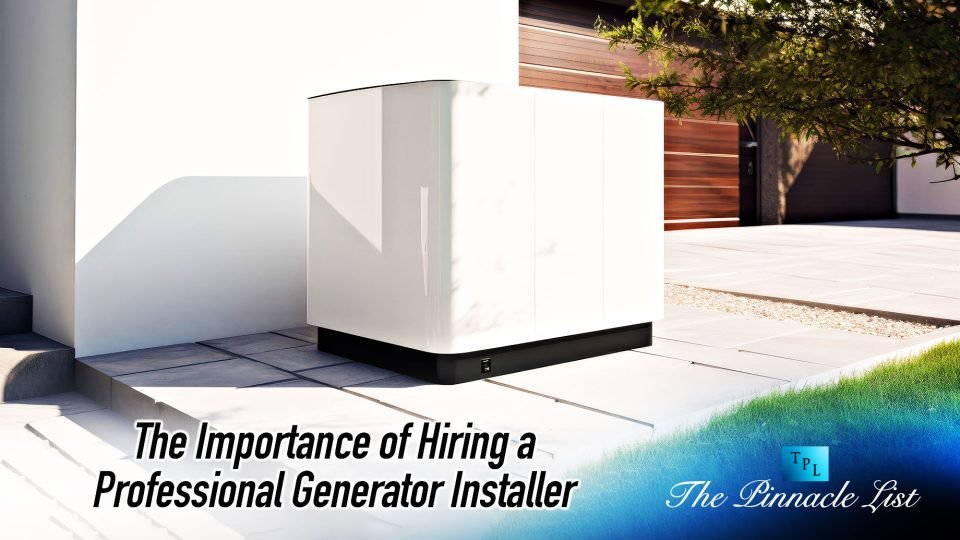
A flickering light or a sudden blackout can quickly turn your comfortable home into a stressful waiting game. Investing in a home generator provides critical peace of mind, but the journey to reliable backup power hinges entirely on Hiring Qualified Generator Installers. This isn't a task to entrust to just anyone; a professional, compliant installation is the bedrock of safety, efficiency, and the longevity of your investment.
Think of it this way: your generator is a complex piece of machinery that interacts directly with your home's electrical and sometimes gas systems. Getting it wrong isn't just an inconvenience; it can be a serious safety hazard, lead to costly repairs, or even void warranties. This guide will walk you through exactly what "qualified" means, how to spot it, and the questions you absolutely must ask to ensure your generator provides power safely and reliably for years to come.
At a Glance: What You Need to Know
- Generator installation is not a DIY project. It requires specialized electrical, mechanical, and often gas knowledge.
- "Qualified" means licensed, certified, and experienced. Look for certified electricians or dedicated generator technicians.
- Vetting is crucial. Ask for licenses, insurance, references, and a detailed scope of work.
- Compliance matters. Installers must understand and adhere to local building codes, electrical codes (NEC), and gas regulations.
- Prioritize expertise over price. A cheap installation can lead to expensive problems down the road.
- Warranties and maintenance plans are non-negotiable. Ensure coverage for both the unit and the installation work.
Why Generator Installation Isn't a Weekend Project
Unlike plugging in a lamp, a standby generator connects directly to your home's main electrical panel, requiring sophisticated wiring, a transfer switch, and potentially modifications to your fuel lines. This intricate dance with your home's core systems is precisely why it's not a DIY endeavor.
The Hidden Dangers of Amateur Installation
When an unqualified individual attempts a generator installation, they open the door to a litany of hazards:
- Electrocution and Fire: Improper wiring can lead to dangerous electrical surges, short circuits, and fires. A generator that isn't correctly isolated from the grid can even backfeed electricity onto utility lines, endangering repair crews.
- Carbon Monoxide Poisoning: If not vented properly, exhaust fumes can seep into your home, leading to silent, deadly carbon monoxide poisoning.
- System Damage: Incorrect sizing or wiring can damage your generator, your home's appliances, or even the electrical grid itself.
- Code Violations and Insurance Headaches: Installations that don't meet local building and electrical codes can result in fines, make your home difficult to sell, and potentially void your homeowner's insurance policy in case of an incident.
The specialized knowledge, skills, and experience needed to safely integrate a generator into your home's infrastructure simply aren't found in a casual online video tutorial. This is where the value of finding local generator installers truly shines.
Decoding "Qualified": The Hallmarks of a Professional Installer
So, if DIY is out, what exactly should you look for in a professional? "Qualified" goes beyond just knowing how to hold a wrench. It encompasses a specific set of credentials, experience, and a deep understanding of the relevant regulations.
Licensed Electricians vs. Certified Generator Technicians
Both types of professionals can install generators, but they bring slightly different expertise:
- Licensed Electricians: These professionals have a broad understanding of electrical systems, wiring, and code compliance. They are typically experts in connecting your generator to your home's main panel and installing the automatic transfer switch (ATS). Many electricians undergo additional training to specialize in generator installations.
- Certified Generator Technicians: These individuals often work for generator dealers or specialized service companies. They possess in-depth knowledge of specific generator brands and models, including mechanical components, fuel systems (natural gas, propane, diesel), and internal diagnostics. While they also handle the electrical hookup, their core focus is on the generator itself.
Ideal Scenario: You want an installer who combines the electrical expertise of a licensed electrician with the specialized product knowledge of a certified generator technician. Many reputable companies employ both, or their technicians hold dual certifications. For example, some companies, like Dion Generator Solutions, even invest in comprehensive training programs for their installers, covering mechanical, electrical, and gas systems. This commitment to ongoing education is a strong indicator of a quality provider.
The Non-Negotiable Credentials
Before anyone touches your property, verify these critical points:
- State and Local Licensing: This is paramount. An installer should hold the necessary electrical contractor licenses for your area. These licenses ensure they've met minimum standards of training, experience, and knowledge of local codes.
- Insurance: They must carry general liability insurance to protect your property in case of damage during installation, and workers' compensation insurance to cover their employees. Always ask for proof of insurance and confirm its validity.
- Certifications: Beyond basic electrical licenses, look for certifications from generator manufacturers (e.g., Generac, Kohler, Cummins) or industry bodies. These demonstrate specialized training on the specific equipment they'll be installing.
- Bonding: While not always required, a bonded contractor offers an extra layer of protection, meaning a surety company will pay for damages or incomplete work if the contractor defaults.
Beyond the License: The Marks of a Top-Tier Installer
A license gets them in the door, but a truly qualified installer offers more. They demonstrate a comprehensive approach to your project, from initial assessment to final hook-up.
Accurate System Assessment and Sizing
One of the first steps a professional takes is a thorough assessment of your home's electrical load. This isn't guesswork; it involves:
- Load Calculation: Analyzing your existing electrical panel, identifying essential circuits (HVAC, refrigerator, well pump, critical lights), and determining your peak power demand.
- Generator Sizing: Recommending a generator size (in kilowatts) that meets your specific needs. An undersized generator won't power everything you want, while an oversized one is an unnecessary expense.
- Fuel Type Recommendation: Advising on the best fuel source for your situation – natural gas (if available), propane, or diesel – considering factors like availability, cost, and storage.
- Site Survey: Assessing the best location for the generator, considering proximity to the electrical panel, fuel source, clearance requirements, noise levels, and exhaust venting.
Unwavering Adherence to Codes and Regulations
This is where expertise truly shines. A qualified installer is intimately familiar with:
- National Electrical Code (NEC): The national standard for safe electrical installation.
- Local Building Codes: Specific requirements set by your city or county regarding setbacks, noise, and general construction.
- Gas Line Regulations: If using natural gas or propane, strict codes govern the installation and sizing of fuel lines to ensure safety.
- Permit Requirements: They will handle securing all necessary permits from local authorities before work begins. This is a critical step that homeowners often overlook, leading to project delays or even stop-work orders if not managed correctly.
A professional understands that cutting corners on code compliance isn't an option; it's a safety and legal imperative.
Your Essential Checklist: Vetting Potential Installers
Now that you know what to look for, it's time to put on your detective hat. Here's a practical checklist of questions to ask every potential installer during your initial consultations.
Credentials and Insurance
- "Are you licensed and insured for generator installation in my specific locality?"
- Why it matters: Verifies legal operation and protects you from liability. Ask for specific license numbers and proof of insurance (certificate of insurance). Call their insurer to verify.
- "Do you have certifications from generator manufacturers (e.g., Generac, Kohler, Cummins)?"
- Why it matters: Demonstrates specialized training and expertise with the equipment.
- "How long have you been installing generators?"
- Why it matters: Experience breeds efficiency and problem-solving skills. A company that has been around for a while typically has a proven track record.
Project Specifics & References
- "Can you walk me through your assessment process for determining the right generator size and location for my home?"
- Why it matters: Ensures they're not just guessing. Look for a detailed discussion of your power needs and site considerations.
- "Will you handle all necessary permits and inspections?"
- Why it matters: A qualified installer manages the entire process, including regulatory compliance. Get this in writing.
- "Can you provide references from recent generator installation projects?"
- Why it matters: Allows you to speak with previous customers about their experience. Ask references about punctuality, cleanliness, communication, and adherence to budget.
- "What is your typical timeline for a project like mine?"
- Why it matters: Sets expectations and helps you plan. Be wary of installers promising unusually fast turnaround times, as this might indicate corner-cutting.
Warranties & Service
- "What warranties do you offer on the installation work itself?"
- Why it matters: Beyond the generator's manufacturer warranty, you need assurance that the installer stands behind their labor. A common warranty is 1-2 years on labor.
- "Do you offer ongoing maintenance and service plans for the generator?"
- Why it matters: Generators require regular maintenance to operate reliably. Many installers provide this service, making them a one-stop shop for your generator's lifespan. Ask about their preventative maintenance schedules and what they include.
- "What is your emergency service availability if the generator malfunctions after installation?"
- Why it matters: A generator's primary purpose is emergency power. Knowing they offer prompt support is critical.
Understanding the Investment: What a Fair Quote Includes
It's tempting to gravitate towards the lowest bid, but when it comes to generator installation, prioritizing quality and expertise over the cheapest option is crucial. A low-ball offer can often signal corners being cut, leading to future costly repairs and potential safety hazards.
What a Comprehensive Quote Should Detail
A professional installer will provide a detailed, written quote that breaks down all costs transparently. It should include:
- Generator Unit Cost: The specific make, model, and size of the generator.
- Automatic Transfer Switch (ATS) Cost: The price of the essential component that automatically switches your home's power source.
- Labor Costs: Itemized charges for the installation team's work.
- Electrical Wiring and Components: All necessary wiring, conduit, circuit breakers, and connection hardware.
- Fuel System Modifications: If applicable, costs for gas line extension, propane tank installation, or diesel tank setup.
- Permit Fees: An estimate or exact cost for all required local permits.
- Site Preparation: Costs for preparing the generator pad (concrete, gravel, etc.), trenching for electrical or fuel lines, and any necessary landscaping adjustments.
- Testing and Commissioning: The cost for thorough testing of the system to ensure proper operation.
- Cleanup and Debris Removal: What happens to the old unit or construction waste.
- Warranty Information: Details on both the generator manufacturer's warranty and the installer's labor warranty.
Avoiding the "Cheapest Option" Trap
Think of your generator as a long-term insurance policy for your home's power. Skimping on the installation can void that policy. Here's why the lowest bid isn't always the best:
- Hidden Costs: A cheap quote might exclude permits, site preparation, or specific components that will later be added as "extras."
- Substandard Materials: Inferior wiring or components can compromise safety and durability.
- Lack of Expertise: Inexperienced installers might make critical errors, leading to frequent breakdowns or inefficient operation.
- No Post-Installation Support: You might be left without warranty support or maintenance services if the company disappears or isn't reputable.
Always compare apples to apples when reviewing quotes. If one quote is significantly lower, ask why. A reputable installer will be able to justify their pricing based on quality materials, experienced labor, and comprehensive service.
From Proposal to Power-Up: The Installation Journey
Understanding the typical steps involved can help you manage expectations and ensure the project progresses smoothly.
Pre-Installation Preparations
After you've selected your installer and approved the quote, the process typically begins with:
- Permit Acquisition: The installer will submit plans and applications to your local building department to secure all necessary permits. This can take several days to weeks depending on your municipality.
- Site Preparation: This involves preparing the foundation for the generator (a concrete pad is common), clearing the area, and possibly trenching for underground electrical or fuel lines.
- Material Procurement: The installer orders your specific generator unit, transfer switch, and all other necessary electrical and fuel components.
Installation Day (or Days)
The actual installation can take anywhere from a single day to several days, depending on the complexity of your system. Key steps include:
- Generator Placement: The unit is moved and secured onto its prepared foundation.
- Electrical Hookup: This involves connecting the generator to the automatic transfer switch and then connecting the ATS to your home's main electrical panel. All wiring will be run according to NEC and local codes.
- Fuel Line Connection: If applicable, the installer will connect the generator to your natural gas line or install/connect to a propane tank, ensuring all connections are leak-free and compliant with gas codes.
- Exhaust Venting: Ensuring the generator's exhaust is properly routed away from your home to prevent carbon monoxide buildup.
Post-Installation: Testing and Education
Once everything is physically connected, the installer's job isn't quite done:
- System Testing: The generator will be thoroughly tested to ensure it starts, transfers power to your home, carries the load correctly, and shuts down properly. The automatic transfer switch will also be tested for seamless operation.
- Code Inspections: Once the installer is confident everything is working, the local building inspector will perform a final inspection to verify that all work meets code requirements.
- Homeowner Walkthrough: A qualified installer will walk you through your new system, explaining how it works, how to perform basic checks, and what to expect during a power outage. They'll also review maintenance schedules.
- Maintenance Plan Discussion: This is the time to finalize any ongoing maintenance agreements. Regular service is vital for your generator's reliability and longevity.
Common Generator Installation Myths Debunked
Let's clear up some common misconceptions that can sidetrack homeowners.
"I Can Just Plug My Portable Generator into Any Outlet."
Myth: This is a dangerous practice known as "backfeeding."
Reality: Connecting a portable generator directly to an electrical outlet without a proper transfer switch can send electricity back into the utility grid, potentially electrocuting utility workers. Always use a transfer switch and have a professional connect your portable generator to a dedicated inlet box, or stick to directly powering appliances with extension cords.
"All Generators Are Basically the Same."
Myth: A generator is a generator.
Reality: Generators vary significantly in size (kilowatts), fuel type (natural gas, propane, diesel), features (automatic vs. manual start, smart home integration), and noise levels. A qualified installer helps you choose the right type and size for your specific needs, preventing you from overspending or being underpowered.
"Once Installed, My Generator Needs No Further Attention."
Myth: Install it and forget it.
Reality: Generators are machines that require regular maintenance, just like your car. This includes oil changes, filter replacements, battery checks, and software updates. Skipping maintenance can lead to breakdowns when you need it most. Many qualified installers offer comprehensive maintenance plans.
The Enduring Value of Professional Installation
Hiring qualified generator installers isn't an extra cost; it's an investment that pays dividends in safety, reliability, and peace of mind. By entrusting your generator installation to certified professionals, you gain:
- Unquestionable Safety: Protecting your home, your family, and utility workers from electrical and gas hazards.
- Code Compliance: Ensuring your installation meets all local and national regulations, avoiding fines and potential insurance complications.
- Optimal Performance: A properly sized and installed generator will run efficiently and reliably, providing power exactly when you need it.
- Manufacturer Warranty Preservation: Many generator warranties require professional installation to remain valid.
- Long-Term Savings: Avoiding costly repairs and replacements down the line due to improper installation or maintenance.
- Peace of Mind: Knowing that your backup power system is robust, safe, and ready for any outage.
Your Path to Reliable Power
The journey to dependable backup power starts with a single, critical decision: choosing the right installer. By prioritizing expertise, asking the right questions, and understanding the value of professional service, you can ensure your generator setup is safe, compliant, and ready to keep your home running smoothly, no matter what Mother Nature throws your way.
Take the time to do your due diligence, compare quotes thoroughly, and trust your instincts. Your peace of mind (and your home's safety) are well worth the effort.