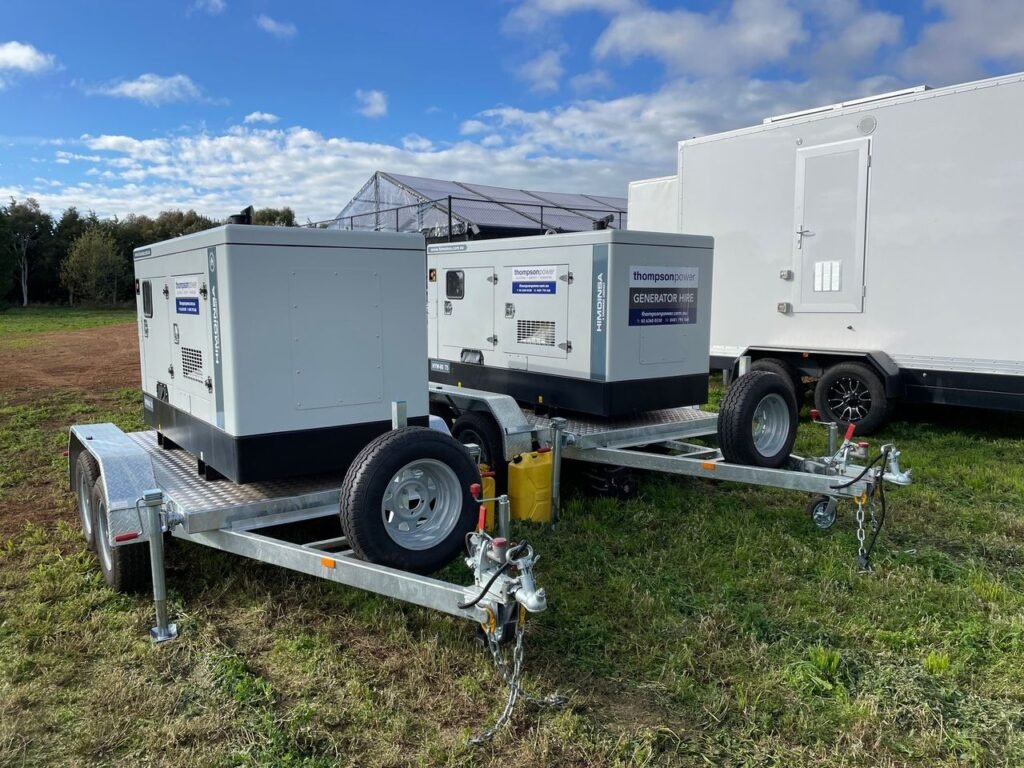
When the lights go out, whether it's a momentary flicker or a prolonged blackout, the hum of a reliable generator can be the most comforting sound. But picking the right one isn't as simple as grabbing the biggest box. It demands a thoughtful approach to Generator Sizing, Selection, and Buying Guides to ensure you make smart choices that truly meet your needs without overspending or falling short.
This isn't just about avoiding inconvenience; it's about safeguarding comfort, productivity, and even safety when the grid goes silent. From powering essential medical devices to keeping your family comfortable during a storm, understanding your options is the first step toward energy independence.
At a Glance: Your Generator Quick Guide
- Size Matters Most: Don't guess. Calculate your specific wattage needs (starting and running) before anything else.
- Know Your Types: Portable, Inverter, Whole-Home, and Traditional Open Frame each serve distinct purposes.
- Safety Is Non-Negotiable: Always operate generators outdoors, far from your home, and never plug directly into a wall outlet without a transfer switch.
- Fuel Up Wisely: Consider fuel type (gasoline, propane, natural gas, diesel) based on availability, storage, and run time.
- Beyond the Basics: Look at features like noise level, portability, fuel efficiency, and maintenance requirements.
- Professional Help: For whole-home systems, professional installation is a must.
Why a Generator Isn't Just a Luxury, It's an Investment
Think about the last time your power went out. Was it a minor annoyance, or a major disruption? Power outages, often triggered by severe weather like hurricanes, snow storms, or tornadoes, or simply aging utility infrastructure, can stretch from a few hours to several weeks. During these times, generators become critical, ensuring essential daily tasks can continue. They keep refrigerators running, lights on, critical medical equipment powered, and sometimes, provide the only source of heat or air conditioning. It’s an investment that pays dividends in peace of mind and resilience.
Unpacking the Different Types of Generators
Before you dive into wattage calculations, it's crucial to understand the landscape of available generators. Each type is designed with specific applications and priorities in mind.
Portable Generators: The Versatile Workhorse
These are your go-to for flexible power solutions. Portable generators can power a range of items from TVs and small appliances to power tools and lights. They're excellent companions for camping trips, a busy job site, or for maintaining essential power during a home outage. While not designed to power an entire house for extended periods, they offer significant utility.
Inverter Generators: Quiet Power for Sensitive Electronics
If you value peace and quiet, and need power for delicate devices, an inverter generator is your ideal choice. They are lightweight, remarkably quiet, and excel at producing a "pure sine wave" output. This clean power is crucial for sensitive electronics like laptops, smartphones, and televisions, protecting them from power surges and fluctuations. Inverter generators are also more fuel-efficient than traditional models, making them perfect for tailgating, RV camping, or quiet backyard use. Their output is generally more limited compared to conventional portable generators, but for many recreational uses, they hit the sweet spot.
Whole-Home Generators (Standby/Home Standby Generators): Automated Peace of Mind
For comprehensive, hands-off power protection, whole-home generators are the ultimate solution. These permanent installations are designed to run for extended periods on natural gas or liquid propane, meaning no frantic trips to refill gas cans. The real magic? Fully automatic models detect power outages and switch on almost immediately, often within seconds. They seamlessly power your entire home or a predetermined set of circuits. Due to their complexity and connection to your home's electrical and fuel systems, whole-home generators require professional installation and ongoing maintenance to ensure they're ready when you need them most. When considering such a significant upgrade, it’s always wise to connect with generator installers early in your planning process to understand the specifics for your home.
Traditional Open Frame Generators: Robust Power, Robust Sound
Often more affordable than inverter models, traditional open frame generators are typically louder but deliver powerful performance. They're less suited for sensitive electronics due to their "dirty power" output, which can sometimes harm delicate circuitry. Instead, they shine in environments like residential or commercial job sites, powering tools, or providing backup for less sensitive household items. These generators can be powered by various fuels, including gasoline, propane, or natural gas, offering some flexibility depending on your needs.
Decoding Generator Power: Starting vs. Running Watts
Understanding wattage is the bedrock of proper generator sizing. Without it, you’re just guessing. There are two critical terms you need to master:
- Starting Watts (Surge Wattage): This is the higher, temporary burst of power an appliance or tool needs to kick into gear. Anything with a motor, compressor, or pump (like refrigerators, air conditioners, power saws, or well pumps) will demand a significantly higher wattage for a few seconds to overcome inertia.
- Real-World Example: That 13,000 BTU RV air conditioner you're dreaming of will need 2,800-3,500 watts just to start its compressor.
- Running Watts: This is the consistent amount of power a device consumes once it's up and running smoothly. This is the power your generator needs to continuously supply to keep your devices operating.
- Real-World Example: The same 13,000 BTU RV AC, once started, generally sips 1,200-1,800 running watts.
Why is this distinction crucial? Your generator needs to have enough starting watts capacity to handle the biggest surge item plus the running watts of everything else you want to power simultaneously. Overlook starting watts, and your generator simply won't be able to get certain appliances going.
Sizing Your Generator: A Step-by-Step Practical Guide
This is where the rubber meets the road. Accurate calculation is key to avoiding frustration. Follow these steps methodically.
Step 1: List Your Essentials
Grab a pen and paper, or open a spreadsheet. List every single device you absolutely need or want to power simultaneously during an outage or for your specific use case (e.g., camping, job site). Be realistic.
Step 2: Calculate Total Running Watts
For each item on your list, find its running wattage.
- Check the Label: Look for a sticker on the appliance itself, usually near the power cord, or consult its user manual. Wattage (W) is often clearly stated.
- Convert Amps to Watts: If only Amps (A) are listed, use the formula: Watts = Volts x Amps. Most household items in the US operate on 120V.
- Example: A device rated at 10 Amps on a 120V circuit would be 120V × 10A = 1200 Watts.
- Sum Them Up: Add the running watts of all your listed devices. This gives you your Total Running Wattage.
Step 3: Identify the Highest Additional Starting Watts
Now, look at your list of devices. Which one has the highest starting wattage requirement above its running wattage? This is typically a motor-driven appliance.
- Find Starting Watts: Again, refer to the device's label or manual.
- Focus on the "Highest": You only need to account for the single largest starting surge, not the sum of all starting surges (unless you plan to start everything at the exact same millisecond, which is unlikely and inefficient).
Step 4: Calculate Total Starting Watts Needed
This is your magic number. Add your Total Running Wattage to the Highest Additional Starting Watts you identified in Step 3.
- Formula: Total Starting Watts Needed = Total Running Watts + Highest Additional Starting Watts.
- Let’s use an example:
- Your total running watts for all devices (fridge, lights, TV, fan) = 2850 watts.
- Your biggest "surge" item is a well pump, which needs an additional 2000 watts to start (beyond its running watts).
- Your Total Starting Watts Needed = 2850 (running) + 2000 (well pump surge) = 4850 Watts.
Your chosen generator must have a starting wattage rating of at least this calculated value (4850 watts in our example) to reliably power all your essential items. Its running wattage rating should, of course, be equal to or greater than your Total Running Wattage (2850 watts).
General Wattage Requirements & Common Generator Sizes
To give you a better feel for what various generator sizes can handle, here's a general breakdown:
- 500 to 3,000 Starting Watts (Small Generators):
- Ideal for: Recreation (camping, tailgating), basic power tools, small electronics (laptops, lights, portable heaters), mini-fridges, fans.
- Emergency Use: A few critical home items during an outage.
- Think: A couple of strings of lights, a laptop, phone chargers, and a small fan.
- 3,100 to 8,000 Starting Watts (Medium Generators):
- Ideal for: More robust recreation, heating and cooling (portable AC units, space heaters), mid-size appliances (refrigerators, microwaves), essential household appliances (lights, sump pumps).
- RVs: Can comfortably power an RV (including an AC up to 13,500 BTUs), microwave, and TVs.
- Small Construction Sites: Drills, air compressors, basic power tools.
- Think: Keeping your fridge and freezer running, a few lights, a TV, and maybe a small window AC unit.
- 6,100 to 10,000 Watts: (Note: This range overlaps medium and large categories, serving as a transition point for more significant needs.)
- Emergency Power: Good for multiple essential circuits, often including a well pump, water heater (if electric, might strain capacity), and furnace blower.
- Larger Appliances: Can handle more substantial individual loads or more items concurrently.
- 10,100 Watts and Above (Large Generators):
- Ideal for: Extensive emergency power, whole-home backup.
- High-Wattage Appliances: Central air conditioning, electric water heaters, multiple large refrigerators/freezers.
- Heavy-Duty Work: Industrial tools like welders, concrete mixers.
- Commercial Applications: Powering food trucks or extensive outdoor events.
- Think: Powering nearly your entire home, including major appliances and central AC, for extended periods.
Beyond Watts: Key Selection Factors for Your Generator
Wattage is king, but it's not the only consideration. Once you have your wattage needs, refine your choice based on these factors:
Fuel Type: Weighing Your Options
The fuel a generator uses profoundly impacts its cost, convenience, and environmental footprint.
- Gasoline: Most common and readily available. However, gasoline has a short shelf life (even with stabilizers) and can be dangerous to store in large quantities.
- Propane (LP): Burns cleaner than gasoline, has a longer shelf life, and is easier to store in tanks. It's often favored for whole-home standby generators due to its stable supply from large tanks. Can be less fuel-efficient than gasoline.
- Natural Gas: The cleanest option, directly plumbed into your home for unlimited run time (if the main supply isn't interrupted). Exclusive to whole-home standby units, requiring a natural gas line connection.
- Dual Fuel: Many portable generators offer the flexibility to run on both gasoline and propane, allowing you to choose based on availability or preference.
- Diesel: Typically found in larger commercial or industrial generators. Diesel fuel is denser, offering longer run times and greater fuel efficiency, but diesel generators are generally more expensive and louder.
Noise Level: How Quiet Do You Need It?
Measured in decibels (dB), generator noise can range from a quiet conversation to a roaring lawnmower.
- Inverter Generators: Often the quietest, ranging from 50-60 dB (similar to a dishwasher). Ideal for camping, tailgating, or residential areas.
- Traditional Portable Generators: Typically 70-85 dB or more (comparable to a vacuum cleaner or lawnmower). Fine for job sites or remote areas, but can be a nuisance in residential settings.
- Whole-Home Standby Generators: While still producing noise, their permanent placement and often sound-dampening enclosures make them less intrusive than portable units.
Portability and Storage: Where Will It Live?
- Weight and Wheels: Small inverter generators are often light enough to carry. Larger portable generators benefit immensely from wheels and handles for easier maneuvering.
- Footprint: Consider where you'll store your generator when not in use, and where it will operate safely (at least 20 feet from your home).
Run Time: How Long Do You Need Power?
A generator's run time indicates how long it can operate on a full tank of fuel at a specific load.
- Small Portable: Might run for 3-6 hours.
- Medium Portable: Often 8-12 hours on a full tank.
- Whole-Home Standby: Can run for days or weeks, as long as its fuel supply (natural gas or large propane tank) holds out.
Outlets and Features: Connecting Your Devices
- Outlet Types: Ensure the generator has the right outlets (e.g., 120V household outlets, 240V for heavy appliances, USB ports for charging electronics).
- GFCI Protection: Ground Fault Circuit Interrupter outlets offer added safety by protecting against electrical shocks.
- Electric Start: Push-button start is a welcome convenience, especially on larger models.
- Fuel Gauge/Hour Meter: Useful for monitoring fuel levels and tracking maintenance intervals.
- Low-Oil Shutoff: Protects the engine from damage by automatically shutting down if oil levels drop too low.
- Automatic Transfer Switch (ATS): Essential for whole-home standby generators, allowing for seamless, automatic power transfer during outages.
Budget: Balancing Cost and Capability
Generator prices vary widely based on wattage, type, features, and brand.
- Small Portables/Inverters: A few hundred to over a thousand dollars.
- Medium to Large Portables: $800 to $3,000+.
- Whole-Home Standby: $3,000 to $10,000+ for the unit itself, plus significant installation costs.
Remember, a cheaper generator that doesn't meet your needs is no bargain. Prioritize your calculated wattage and essential features.
Safety First: Essential Generator Operating Rules
Using a generator incorrectly can have deadly consequences. Always prioritize safety.
- Read the Manual: This isn't optional. Thoroughly read your generator's instruction manual before its first use and periodically thereafter.
- OUTDOORS ONLY: Never, ever, under any circumstances, operate a generator indoors. This includes garages, basements, sheds, or enclosed patios. Carbon monoxide (CO) is an odorless, colorless, and deadly gas.
- Maintain Distance: Keep running generators at least 20 feet away from your home, windows, and doors to prevent carbon monoxide from entering living spaces. Point the exhaust away from any buildings.
- NEVER Backfeed: Do not plug a generator into a standard electrical wall outlet. This practice, known as "backfeeding," can send electricity back into the utility lines, potentially electrocuting utility workers or neighbors. Instead, hire a qualified electrician to install a transfer switch. A transfer switch safely isolates your home from the utility grid before connecting to the generator.
- Avoid Overloading: Ensure your generator’s wattage rating can power all connected appliances without exceeding its capacity. Overloading can damage the generator and the connected devices.
- Fueling Safely: Allow gas-powered generators to cool completely before refilling fuel. Gasoline is highly flammable. Do not overfill the tank. Store fuel in approved containers in a well-ventilated area away from living spaces and heat sources.
- Weather Protection: Do not operate a generator in wet conditions like rain or snow unless it is protected by a covered, well-ventilated shelter specifically designed for generator use. Moisture can cause electrocution.
- Use Proper Extension Cords: Use heavy-duty, outdoor-rated extension cords that are the appropriate gauge for the load and length. Inspect cords for damage before each use.
- Install CO Detectors: Have battery-operated carbon monoxide detectors in your home, especially near sleeping areas, as an added layer of protection.
Making Your Smart Purchase Decision
By now, you should have a clear understanding of your wattage needs, the different types of generators, and crucial selection factors.
- Re-confirm Your Wattage: Double-check your running and starting wattage calculations. This is non-negotiable.
- Match Type to Need: Are you an RV enthusiast needing clean power? A homeowner wanting full automation? A contractor needing job site muscle? Let your primary use dictate the generator type.
- Prioritize Features: Based on your budget and requirements, what features are must-haves (e.g., electric start, dual fuel, low noise)?
- Consider Installation: For whole-home standby generators, remember the unit cost is only part of the equation. Installation costs (electrical, fuel line, permits) are significant. Factor in professional guidance and installation from the start.
Choosing a generator is about empowering yourself with reliable backup power. It's a decision that brings peace of mind, knowing you're prepared for whatever comes your way. Take the time to do it right, and you'll thank yourself when the next outage hits.