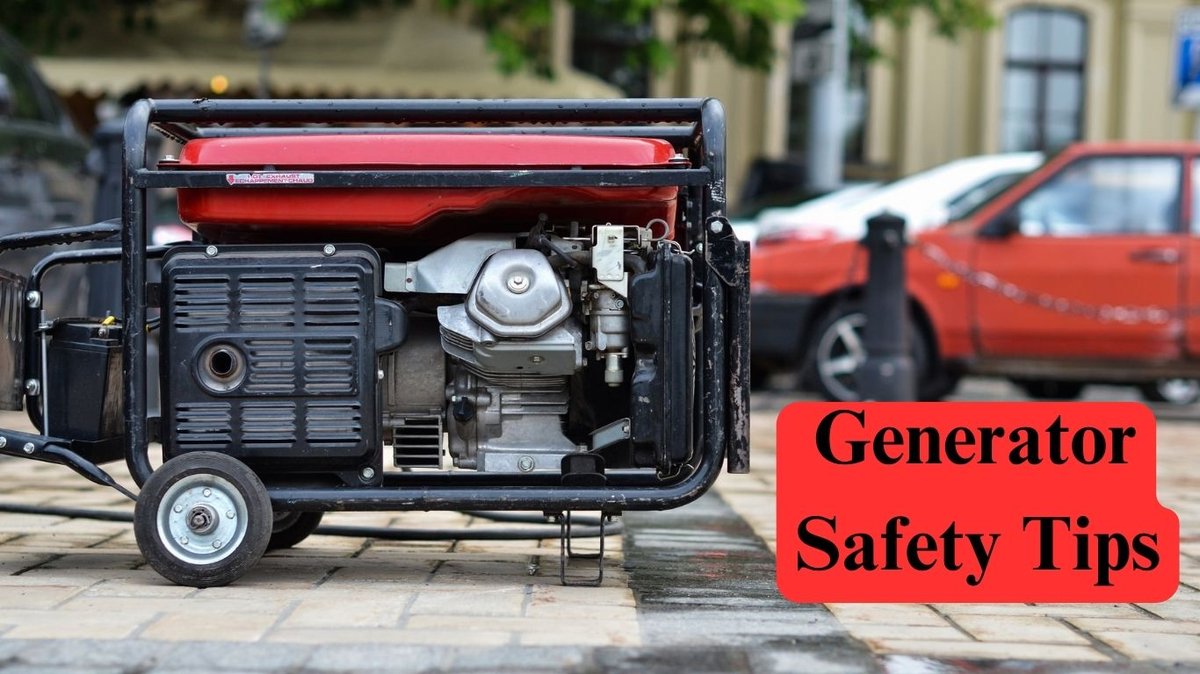
When the lights go out, a reliable generator isn't just a convenience—it's often a critical lifeline. But the promise of uninterrupted power hinges on far more than just owning a generator; it absolutely demands diligent Generator Maintenance, Safety & Regulations. Without a proactive approach to these three pillars, your emergency power system could become an expensive paperweight when you need it most.
Navigating the complexities of generator care, operational safety, and the myriad of local and national regulations can feel daunting. That's where standards like NFPA 110 come in, providing a robust framework to ensure your emergency power system performs flawlessly under pressure.
At a Glance: Your Generator Preparedness Checklist
- NFPA 110 is your guide: It's the standard for emergency and standby power systems, ensuring reliability.
- Know your generator's class: Level 1 systems are critical for life safety; Level 2 are less so, influencing compliance depth.
- Sizing matters: Understand generator ratings (Standby, Prime, Continuous, etc.) to ensure adequate power.
- Fuel is crucial: Level 1 systems often require 96 hours of fuel storage.
- Automatic Transfer Switches (ATS) are key: They ensure seamless power transition without manual intervention.
- Installation isn't optional: Proper location, ventilation, and fire ratings (for indoor units) are non-negotiable for safety and performance.
- Maintenance is mandatory: Follow daily, weekly, monthly, and annual checks, including critical load testing.
- Safety first: Guard against fuel hazards, electrical risks, exhaust fumes, noise, and fire.
- Beyond NFPA: Always check local codes and environmental regulations.
The Unseen Lifeline: Why Generators Demand Your Attention
Imagine a hospital during a power outage, its operating rooms mid-surgery. Or a data center, responsible for thousands of critical transactions per second. In these scenarios—and countless others, from traffic lights to emergency shelters—the dependable hum of a generator isn't just reassuring; it's absolutely essential. It preserves life, protects data, and maintains critical infrastructure.
But a generator is only as reliable as its maintenance schedule and adherence to safety protocols. Neglect leads to failures, and failures in critical situations can have catastrophic consequences. This isn't just about avoiding a blackout at home; it's about safeguarding operations, ensuring public safety, and meeting legal and ethical obligations. Understanding the foundational standards, particularly NFPA 110, equips you to treat your generator not just as a machine, but as the critical lifeline it truly is.
NFPA 110: Your Blueprint for Reliable Power
So, what exactly is NFPA 110, and why should it be at the forefront of your generator strategy? The National Fire Protection Association (NFPA) is a non-profit organization that has been publishing codes and standards since 1896, all aimed at eliminating death, injury, and property loss from fire and electrical hazards. Among their extensive library, NFPA 110 stands as the definitive Standard for Emergency and Standby Power Systems.
It’s not just a suggestion; for many commercial, industrial, and institutional facilities, NFPA 110 compliance is a legal requirement, often mandated by state and local building and fire codes. It sets the bar for everything from design and installation to testing and maintenance, ensuring that when the grid fails, your generator doesn't.
Decoding System Classification: Level 1 vs. Level 2
One of the first concepts to grasp when approaching NFPA 110 is the distinction between Level 1 and Level 2 emergency power supply systems (EPSS). It’s important to clarify that NFPA 110 itself doesn't classify occupancies as Level 1 or Level 2; those requirements are typically found in companion codes like NFPA 101 (Life Safety Code) and NFPA 99 (Health Care Facilities Code).
- Level 1 Classifications: These apply when the failure of the emergency power system could result in loss of human life or serious injuries. Think hospitals, high-rise buildings, fire protection systems, or critical communication hubs. For Level 1 systems, uninterrupted power is paramount, and the standards for design, installation, and maintenance are incredibly stringent.
- Level 2 Classifications: These apply when the system's operation is less critical to life safety from a power loss. While still important for business continuity or convenience, a power interruption wouldn't immediately endanger occupants. Examples might include certain administrative offices or non-essential industrial processes.
Your system's classification dictates the depth of compliance required, from fuel storage capacity to testing frequency. Understanding which level applies to your facility is the first step in implementing a compliant and truly reliable emergency power system.
Unpacking Generator Ratings: Matching Power to Purpose
Not all generators are created equal, and their 'ratings' tell a crucial story about their intended use and operational limits. Choosing the right generator starts with understanding these classifications:
- Standby: Designed for temporary use during utility power outages. Typically rated to run at 60-70% of its capacity for periods up to 24 hours, with a maximum of 500 operating hours per year. These are your everyday backup generators for commercial buildings or homes.
- Emergency Standby: Similar to standby but with a slightly stricter cap, usually limited to 200 hours per year. Often found in applications where backup power is critical but infrequent.
- Prime Power: Intended for continuous operation as the primary power source in areas without utility grids, or where utility power is unreliable. These generators can operate for unlimited hours at 60-70% of their rating, often with a 10% overload capability for one hour out of every twelve.
- Mission Critical Standby: This rating allows for extended operation at a higher average load, up to 85% of its rating for periods up to 500 hours per year. These are designed for facilities where downtime is simply not an option, like data centers or financial institutions.
- Continuous Power: Built for 24/7, year-round operation at 100% of its rated capacity with unlimited operating hours. These are essentially mini-power plants, often found in remote industrial sites or utility applications.
Matching your power needs to the correct generator rating is fundamental. Overlooking this step can lead to premature generator wear, inefficient operation, or—worst of all—failure when you need it most. If you're exploring different types of generators, understanding these distinctions is paramount.
Designing for Dependability: Sizing, Fuel, and Monitoring
A generator's reliability begins long before it's ever installed. It starts with careful design, adhering to the specifications outlined in NFPA 110, particularly in Chapter 5.
Sizing the System: More Than Just Watts
Proper sizing isn't just about ensuring you have enough wattage; it's about matching the generator's capabilities to your facility's specific load profile. This includes considering:
- Starting Loads (Inrush Current): Motors, compressors, and certain electronics demand a much higher current at startup than during continuous operation. Your generator must be able to handle these momentary surges without faltering.
- Harmonic Distortion: Modern electronics can introduce harmonics into the electrical system, which can be detrimental to generator performance if not accounted for in the design.
- Load Shedding: For larger or more complex systems, a strategy for shedding non-critical loads during an outage can prevent overloading the generator.
Undersizing can lead to frequent overloads and premature failure, while oversizing can result in "wet stacking" (unburnt fuel buildup due to under-loading) and inefficient operation. Professional electrical engineers specialize in this complex task, ensuring your generator is perfectly matched to your needs.
Fueling Your Fortress: Storage and Supply
What good is a generator if it runs out of fuel? NFPA 110 dictates stringent requirements for fuel storage, especially for Level 1 systems. Chapter 5 specifies that Level 1 systems must have a combined fuel storage capability of 96 hours of operation at full load. This ensures that even in prolonged outages, critical systems remain operational.
Key considerations for fuel storage include:
- Main Storage Tanks: These large tanks provide the primary fuel supply. They must be designed, installed, and maintained according to codes specific to the fuel type (e.g., diesel, natural gas, propane).
- Day Tanks: For diesel generators, a day tank is often installed close to the generator. This smaller tank acts as a buffer, ensuring a steady, filtered fuel supply to the engine and protecting the main tank from the generator's vibrations. NFPA 110 details their sizing and overflow provisions.
- Fuel Quality: Stored fuel, especially diesel, can degrade over time. Regular testing and treatment are essential to prevent microbial growth, water contamination, and sediment buildup, all of which can clog filters and injectors, leading to generator failure. For more on this, exploring dedicated fuel storage solutions is a smart move.
Eyes on the System: Batteries, Monitoring, and Alarms
Beyond fuel, NFPA 110 also covers the critical accessories that ensure the generator starts reliably and communicates its status.
- Batteries: The generator's starting batteries are its Achilles' heel if neglected. NFPA 110 mandates specific battery types, charger requirements, and testing frequencies. A robust battery charging system is essential to keep them topped up and ready.
- Monitoring and Alarm Systems: A sophisticated generator system isn't just self-sufficient; it's communicative. NFPA 110 requires monitoring systems to track critical parameters like fuel levels, battery voltage, oil pressure, coolant temperature, and operational status. Alarms must be configured to alert personnel to issues, allowing for timely intervention before a minor problem escalates into a catastrophic failure.
The Brains of the Operation: Transfer Switches Explained
Once the generator is ready to supply power, how does it seamlessly take over from the utility? That's the job of the transfer switch, meticulously covered in Chapter 6 of NFPA 110.
A transfer switch acts as the electrical "traffic cop" between the utility grid, the generator, and your facility's electrical load. Its primary function is to safely and quickly switch the power source when needed.
Manual vs. Automatic Transfer Switches (ATS)
- Manual Transfer Switches: As the name suggests, these require human intervention. An operator must physically switch a lever or throw a breaker to transfer the load from utility to generator, and back again. While simpler and less expensive, they are unsuitable for critical applications where immediate power restoration is essential, as the delay can be significant.
- Automatic Transfer Switches (ATS): These are the workhorses of emergency power systems, and the most common type for NFPA 110 compliant setups. An ATS continuously monitors the utility power. When a power loss or significant voltage drop is detected, it automatically signals the generator to start. Once the generator reaches stable voltage and frequency, the ATS seamlessly transfers the electrical load from the utility to the generator. When utility power is restored and stable, the ATS transfers the load back to the utility, and then signals the generator to cool down and shut off.
For Level 1 and most Level 2 systems, an ATS is indispensable. It eliminates the delay and human error associated with manual transfers, ensuring your critical systems experience minimal downtime. Understanding the role of automatic transfer switches is crucial for anyone relying on backup power.
NFPA 110 doesn't just mandate the presence of transfer switches; it also provides specifications for their components, ensuring they are robust enough to handle the electrical loads and operational demands of an emergency system.
Mastering the Placement: Generator Installation Essentials
Where and how you install your generator system is as critical as its design and maintenance. Chapter 7 of NFPA 110 lays out the vital installation requirements, prioritizing safety, performance, and longevity.
Location, Location, Location
Choosing the right location for your generator isn't a casual decision; it's a strategic one:
- Flood Zones: A primary concern is protecting the generator from environmental hazards. NFPA 110 specifically warns against locating the generator in an area subject to flooding. This means evaluating the site's topography, historical flood data, and potential for water accumulation. If an elevated platform is necessary, it must be robust and code-compliant.
- Accessibility: The generator needs to be easily accessible for maintenance, repair, and fuel delivery.
- Proximity to Loads: While not explicitly dictated by NFPA 110 for general placement, minimizing the distance to the main electrical panel or critical loads can reduce voltage drop and installation costs.
- Noise and Exhaust: Generators are loud and produce harmful exhaust. Their placement must consider minimizing noise impact on occupants and neighboring properties, and ensuring exhaust fumes are safely vented away from air intakes and populated areas.
The Indoor Challenge: Ventilation and Fire Rating
Indoor generator installations present unique challenges, and NFPA 110 addresses them rigorously:
- Ventilation is Paramount: An engine generates significant heat, and the alternator also produces heat. Proper ventilation is absolutely critical for indoor generators to prevent overheating and maintain the room at an acceptable ambient temperature. This typically involves large fans to bring in cool outside air and expel hot air from the radiator and engine compartment. The ventilation system must be designed to deliver sufficient airflow to prevent engine derating due to high temperatures.
- Exhaust System: The exhaust must be routed safely outside, free from obstructions, and insulated to prevent heat transfer to combustible materials. Backpressure on the engine's exhaust system must be within the manufacturer's limits.
- Two-Hour Fire Rating: For safety, the generator room must have a two-hour fire rating. This means the walls, ceiling, and doors are constructed to resist fire penetration for at least two hours, protecting the critical emergency power system from internal or external fires. Crucially, the ventilation system itself must address this fire rating, often through fire dampers that close automatically in a fire event to maintain compartmentalization.
Ignoring these installation requirements not only risks non-compliance but significantly compromises the generator's ability to operate safely and effectively during an emergency. For complex scenarios, consulting emergency power system design experts is always recommended.
The Heart of Reliability: A Deep Dive into Generator Maintenance
Even the most robustly designed and installed generator system is useless without consistent, planned maintenance. Chapter 8 of NFPA 110 underscores this fact, detailing the essential maintenance and testing protocols that ensure your emergency generation system performs flawlessly when called upon.
Think of it like an athlete training for a critical competition. They don't just show up on game day; they follow a strict regimen. Your generator is no different.
The "Why" of Planned Maintenance
Regular maintenance isn't about fixing things when they break; it's about preventing them from breaking in the first place. For emergency generators, this is even more critical because failure isn't an inconvenience—it's a crisis. Planned maintenance helps to:
- Ensure Reliable Starting: Verifies the fuel, battery, and starting systems are fully functional.
- Maximize Lifespan: Regular checks and lubrication reduce wear and tear on components.
- Optimize Performance: Keeps the engine, alternator, and control systems operating at peak efficiency.
- Identify Issues Early: Catches minor problems before they escalate into costly repairs or system failures.
- Maintain Compliance: Meets NFPA 110 and other regulatory requirements, avoiding fines and ensuring safety.
Your Maintenance Checklist: A Rhythmic Approach
NFPA 110 outlines a structured approach to maintenance, breaking tasks down into cycles:
- Daily Checks: These are quick, visual inspections that can often be performed by facility staff.
- Day Tank Level: Verify the fuel level in the day tank (if applicable) is adequate.
- Visual Inspection: Look for obvious leaks (fuel, oil, coolant), loose wires, or unusual conditions around the generator.
- Weekly Checks: More detailed, typically still manageable by trained facility personnel.
- Battery Voltage and Charger Status: Check that starting batteries are fully charged and the battery charger is operating correctly.
- Coolant Level: Ensure the engine coolant is at the correct level.
- Oil Level: Verify engine oil is within the recommended range.
- Air Filters: Visually inspect air filters for excessive dirt.
- Run Test (No Load): Many facilities perform a short, no-load run test to confirm the generator starts, runs, and transfers automatically. This should only be a brief test to confirm operation, as prolonged no-load running can lead to "wet stacking."
- Monthly Checks: These usually involve more mechanical tasks and system activation.
- Generator Startup and Transfer Test (with load, if feasible): NFPA 110 requires a monthly test under load for Level 1 systems. This involves simulating a power outage, allowing the ATS to transfer the load to the generator, and running the generator for a specified period (e.g., 30 minutes). This confirms the entire system—generator, ATS, and associated controls—is working as intended.
- Exhaust System Inspection: Check for leaks, cracks, or blockages.
- Fuel System Inspection: Check lines, filters, and connections for integrity.
- Semi-Annual or Annual Checks: These are comprehensive inspections and maintenance tasks typically performed by qualified generator technicians.
- Oil and Filter Changes: Replace engine oil and oil filters.
- Fuel Filter Replacement: Replace fuel filters.
- Coolant Flush and Replacement: Flush the cooling system and replace coolant as needed.
- Air Filter Replacement: Replace engine air filters.
- Battery Load Testing: Perform a specific load test on the starting batteries to determine their actual capacity, not just their voltage.
- Valve Lash Adjustment: Check and adjust engine valve clearances according to manufacturer specifications.
- Alternator Inspection: Inspect brushes, bearings, and windings.
- Comprehensive Load Testing: This is one of the most critical annual tasks.
The Critical Role of Load Testing
Regular load testing is the ultimate reliability check. It involves running the generator under a significant electrical load for a sustained period, simulating a real-world outage. NFPA 110 specifies the duration and load requirements for these tests.
- Why it's crucial: Running a generator with little or no load (which happens during routine short tests or when it's oversized for its actual emergency load) can lead to a condition called "wet stacking." This occurs when the engine doesn't get hot enough to completely burn off all the fuel, leading to unburnt fuel and carbon deposits accumulating in the exhaust system. Wet stacking can cause reduced power output, excessive smoke, and eventually, engine damage. Load testing burns off these deposits, keeping the engine healthy and ready for full power output.
- How it's done: Load banks (large resistive heaters) are often connected to the generator if the facility's actual emergency load isn't sufficient or suitable for prolonged testing. This allows the generator to run at a specific percentage of its rated capacity (e.g., 75% for 2-4 hours) as mandated by NFPA 110.
Adhering to these maintenance cycles, especially the thorough annual inspections and load tests, transforms your generator from a potential liability into a dependable asset. Finding experienced generator technicians is paramount when these tasks arise. When it's time for deeper maintenance or troubleshooting, you might need to Find generator installers who also offer comprehensive service contracts.
Safety First: Mitigating Risks Around Your Generator
A powerful machine handling fuel, electricity, and hot exhaust demands respect and rigorous safety protocols. Beyond NFPA 110's core focus on system reliability, operating and maintaining a generator involves inherent risks that must be managed to protect personnel, property, and the environment.
Fuel Safety: The Volatile Side
Fuel, particularly diesel, is combustible. Natural gas and propane present their own unique hazards.
- Storage: Always follow local fire codes for fuel storage. Tanks must be properly vented, clearly labeled, and protected from impact. Never store fuel indoors unless specifically permitted and in approved containers.
- Spills: Have spill containment measures and cleanup kits readily available. Fuel spills are not only fire hazards but also environmental concerns.
- Handling: Use proper personal protective equipment (PPE) when handling fuel. Avoid sparks, open flames, and smoking near fuel storage or transfer points.
- Ventilation for Gas Fuels: If using natural gas or propane, ensure proper ventilation to prevent accumulation of flammable gases in enclosed spaces.
Electrical Safety: The Invisible Danger
Generators produce lethal voltage. Respecting this power is non-negotiable.
- Lockout/Tagout: Before any maintenance or inspection involving electrical components, always de-energize and follow strict lockout/tagout procedures to prevent accidental startup or energization.
- Qualified Personnel: Only trained and qualified electricians or generator technicians should perform electrical work on the system.
- Grounding: Ensure the generator and its associated electrical system are properly grounded as per NEC (National Electrical Code) and local regulations.
- Clearance: Maintain adequate clearance around electrical panels and the generator for safe access and to prevent accidental contact.
Exhaust Fumes: The Silent Killer
Generator exhaust contains carbon monoxide (CO), a colorless, odorless, and deadly gas.
- Ventilation: Never operate a generator in an enclosed space without proper, dedicated exhaust ventilation that directs fumes far away from occupied areas and air intakes.
- CO Detectors: In facilities with indoor generators or where exhaust could potentially enter, installing carbon monoxide detectors is a critical safety measure.
- Clearances: Ensure exhaust pipes are adequately insulated to prevent burns and have proper clearance from combustible materials.
Noise & Vibration: Long-Term Hazards
Generators are noisy, and their operation creates significant vibration.
- Hearing Protection: Anyone working near an operating generator for extended periods should wear appropriate hearing protection.
- Vibration Isolation: Generators should be installed on vibration-isolating mounts to reduce structural stress and noise transmission.
- Enclosures: Consider sound-attenuating enclosures, especially in urban areas or near occupied spaces, to mitigate noise pollution.
Fire Prevention: Constant Vigilance
Given the fuel, electrical components, and heat involved, fire is a constant threat.
- Cleanliness: Keep the generator area clean and free of debris, oily rags, or other combustible materials.
- Fire Suppression: For Level 1 systems or indoor installations, NFPA 110 (and often NFPA 72) may require automatic fire suppression systems within the generator room. Chapter 4 of NFPA 110 introduces fire suppression systems, and examples of facilities requiring protection.
- Extinguishers: Have appropriate fire extinguishers (Class B and C) readily available and ensure personnel are trained in their use.
Safety is not just a checkbox; it's an ongoing culture of awareness, training, and adherence to protocols that protects everyone around the emergency power system.
Navigating the Regulatory Landscape Beyond NFPA 110
While NFPA 110 provides a robust national standard, it’s crucial to understand that it’s not the only regulation you need to consider. The regulatory landscape for generators is multi-layered, often involving federal, state, and local jurisdictions, each with their own set of rules.
Local Building and Fire Codes
These are perhaps the most immediately impactful regulations. Local authorities (e.g., city building departments, county fire marshals) adopt and enforce specific versions of national codes like the International Building Code (IBC), International Fire Code (IFC), and the National Electrical Code (NEC), often with local amendments. These codes will dictate specific requirements for:
- Permitting: Almost all generator installations require building, electrical, and sometimes fire permits. Ensure all necessary permits are obtained before commencing any work.
- Setbacks: Minimum distances from property lines, windows, and other structures.
- Sound Restrictions: Local ordinances often have strict limits on noise levels, especially in residential or mixed-use areas.
- Accessibility: Requirements for access paths, exits, and clearances around the generator.
- Fuel Storage: Detailed local codes for aboveground and underground fuel tanks.
Environmental Regulations
Generators, particularly diesel units, have an environmental footprint that is subject to scrutiny:
- Air Emissions: The Environmental Protection Agency (EPA) and state environmental agencies regulate emissions from internal combustion engines. This includes requirements for engine certification, specific fuels, and sometimes exhaust after-treatment systems, especially for larger or frequently run generators.
- Fuel Storage (SPCC Plans): Facilities with significant fuel storage may be required to develop and implement a Spill Prevention, Control, and Countermeasure (SPCC) plan under EPA regulations to prevent oil spills from reaching navigable waters.
- Noise Pollution: Beyond local codes, some state or federal agencies may have guidelines for noise, particularly for generators in sensitive areas.
Other Relevant NFPA Standards
While NFPA 110 is primary, other NFPA standards often work in conjunction with it:
- NFPA 70 (National Electrical Code - NEC): Governs all electrical wiring and equipment, including the generator's electrical connections, grounding, and overcurrent protection.
- NFPA 72 (National Fire Alarm and Signaling Code): May apply to fire alarm interfaces or monitoring for generator rooms.
- NFPA 101 (Life Safety Code) & NFPA 99 (Health Care Facilities Code): As mentioned, these codes define the occupancy classifications (Level 1 or Level 2) that then trigger NFPA 110 requirements.
The key takeaway here is that compliance is not a one-and-done event. It requires an ongoing commitment to understanding and adhering to the dynamic regulatory environment impacting your generator system. Ignoring any layer of these regulations can lead to costly fines, operational shutdowns, and severe liability.
Choosing Your Partners: Installation, Service, and Beyond
Successfully managing your generator's maintenance, safety, and regulatory compliance is a team effort. It's not a DIY project for the faint of heart, especially for critical systems.
The Importance of Qualified Professionals
From initial design and installation to ongoing maintenance and emergency repairs, you need experts. Look for:
- Certified Engineers: For system sizing, electrical design, and complex installations.
- Licensed Electricians: For all electrical connections, grounding, and panel integrations.
- Experienced Generator Technicians: Specialists who understand the intricacies of engine mechanics, alternators, control systems, and troubleshooting specific to various generator brands and models. They should be familiar with NFPA 110 and other relevant codes.
- Reputable Installers and Service Providers: Businesses with a proven track record, proper licensing, insurance, and a commitment to safety and quality.
A reliable service provider will offer comprehensive maintenance contracts that align with NFPA 110's testing and inspection schedules, including load testing, fluid analysis, and preventive maintenance. They'll also stay current with regulatory changes and manufacturer updates.
When it comes to the initial setup or major overhauls, the decision of who installs your generator is arguably the most critical. This is where you absolutely need to Find generator installers who understand the nuances of compliance and performance.
Keeping the Lights On: Your Action Plan for Generator Peace of Mind
Navigating the world of Generator Maintenance, Safety, and Regulations, especially when meeting NFPA 110 standards, might seem like a lot to take in. But ultimately, it boils down to a clear, actionable strategy for ensuring your backup power system is a source of confidence, not anxiety.
Here’s your condensed action plan:
- Know Your Code: Understand if your facility falls under Level 1 or Level 2 requirements (referencing NFPA 101/99) and what NFPA 110 specifically demands for your generator's rating, fuel storage, and system components.
- Design with Purpose: Ensure your generator is correctly sized for your specific load profile, accounting for starting surges and future expansion. Don't cut corners on fuel storage, battery systems, or monitoring.
- Install to Standard: Verify that your generator's location, ventilation (especially for indoor units), exhaust routing, and fire rating meet all NFPA 110 and local code requirements.
- Embrace Scheduled Maintenance: Implement a robust maintenance schedule that includes daily checks, weekly runs, monthly load tests (if applicable), and comprehensive semi-annual or annual services with qualified technicians. Never skip load testing.
- Prioritize Safety: Develop and enforce strict safety protocols around fuel, electrical systems, exhaust, noise, and fire prevention. Train all personnel involved in generator operation or maintenance.
- Stay Compliant Locally: Beyond NFPA 110, continuously monitor and adhere to local building, fire, and environmental regulations, including permitting and emissions standards.
- Partner with Professionals: Don't go it alone. Engage certified engineers, licensed electricians, and experienced generator service providers for design, installation, and ongoing maintenance. Their expertise is invaluable.
Your emergency power system is an investment in continuity, safety, and peace of mind. By diligently applying these principles, you're not just complying with regulations; you're actively building resilience and ensuring that when the grid goes dark, your lights—and your critical operations—remain brilliantly on.