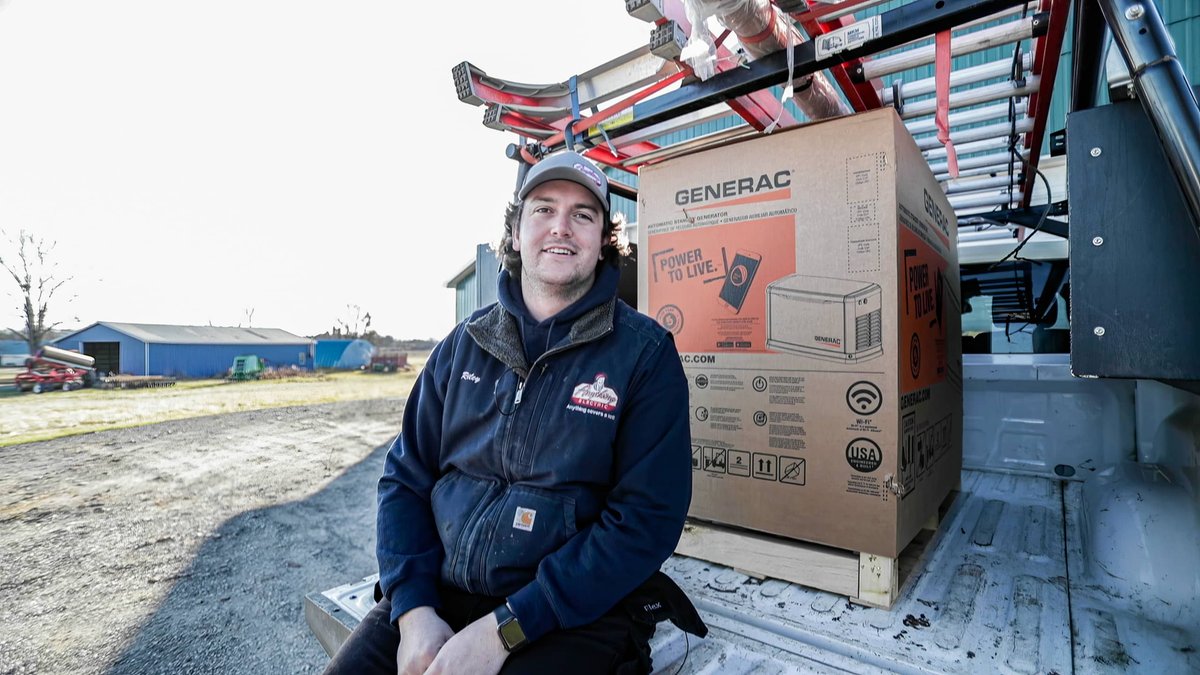
In today's interconnected world, reliable electricity isn't just a convenience—it's a necessity. From working remotely and keeping food fresh to ensuring medical equipment runs smoothly, an unexpected power outage can disrupt life dramatically. That's where a home backup generator comes in, offering peace of mind and an uninterrupted connection to the power you need. But acquiring this vital protection isn't just about buying a generator; it's about partnering with expert generator installers who can seamlessly integrate this powerful solution into your home's electrical system.
This Super Pillar hub is designed to be your comprehensive guide, illuminating every facet of bringing reliable backup power to your residence. We'll demystify the process, from understanding your options to connecting with the qualified professionals who make it all possible.
Safeguarding Your Home: Why Backup Power is Essential
Imagine a severe storm knocking out power for days, or an unexpected grid failure leaving your family in the dark. Beyond the inconvenience, these situations can pose real challenges to comfort, safety, and productivity. A standby generator automatically detects outages and restores power within seconds, ensuring your essential appliances, heating/cooling, and sensitive electronics continue to operate without a hitch. It's an investment in uninterrupted living and the security of your household.
Before diving into installation, it's crucial to grasp the different types of generators available and how they fit various needs. Whether you're considering a portable unit for emergencies or a whole-home standby system, understanding the fundamentals is the first step. You can gain a deeper understanding of the various options and their optimal uses by exploring our detailed guide on Explore Generator Types & Applications.
Tailoring Your Power Solution: Choosing the Right Generator
Selecting the right generator isn't a one-size-fits-all decision. It involves carefully assessing your power requirements, considering your home's specific energy consumption, and evaluating factors like fuel type, noise levels, and local regulations. A generator that's too small won't adequately power your home, while one that's too large might be an unnecessary expense. This critical phase ensures your investment truly meets your family's demands.
Understanding your energy needs and the technical specifications of different models is paramount for making an informed choice. To help you navigate this essential decision-making process, we've compiled extensive resources. Discover how to accurately assess your power needs and find the perfect unit for your home by consulting our guide to Generator Sizing, Selection & Buying.
The Path to Power: Understanding the Installation Process
Once you've chosen the ideal generator for your home, the next crucial step is professional installation. This isn't a DIY project; it involves complex electrical work, gas line connections (for natural gas or propane models), compliance with local building codes, and often the pouring of a concrete pad. A properly installed generator ensures safety, efficiency, and reliable operation for years to come. Improper installation can lead to dangerous situations, void warranties, and fail inspections.
Professional installers handle everything from site preparation and electrical wiring to fuel connections and final testing, ensuring your system is fully functional and safe. To get a comprehensive overview of what to expect during this vital phase, including timelines and key steps, refer to our detailed resource on the entire journey: Generator installation guide How to install.
Investing in Security: Costs and Financial Planning
The cost of a home backup generator system is a significant consideration for many homeowners. This investment encompasses not only the generator unit itself but also installation labor, necessary electrical upgrades, fuel line connections, permits, and potential ongoing maintenance. Understanding the full financial scope upfront allows you to budget effectively and explore all available options. While it represents a substantial investment, the peace of mind and protection against potential losses during outages often outweigh the initial outlay.
Many providers and financial institutions offer solutions to make this essential upgrade more accessible. Whether you're looking for payment plans, special financing offers, or information on potential tax incentives, it's wise to explore all avenues. Learn more about the various factors influencing your total cost and available financial strategies by reviewing our guide on Generator cost and financing options.
Finding Your Experts: How to Hire Qualified Generator Installers
The success and safety of your generator system ultimately hinge on the expertise of your installers. A qualified generator installer possesses the necessary licenses, certifications, and experience to handle the intricate electrical and plumbing work involved. They understand local codes, can correctly size your unit, and ensure all connections are secure and compliant. Choosing the right professional means your generator will operate safely, efficiently, and reliably when you need it most.
When evaluating potential installers, look for companies with a proven track record, positive customer reviews, and comprehensive warranties on their work. Don't hesitate to ask for references, check their licensing, and confirm they are insured. For detailed advice on vetting and selecting the best professionals for your project, including critical questions to ask and red flags to watch for, consult our in-depth guide: How to Hire Generator Installers.
Embracing the security and convenience of a home backup generator is a smart decision for any homeowner. By leveraging the insights and resources within this Super Pillar hub, you're well-equipped to navigate every step, from initial research to enjoying uninterrupted power. Take the next step towards energy independence and safeguard your home with confidence.