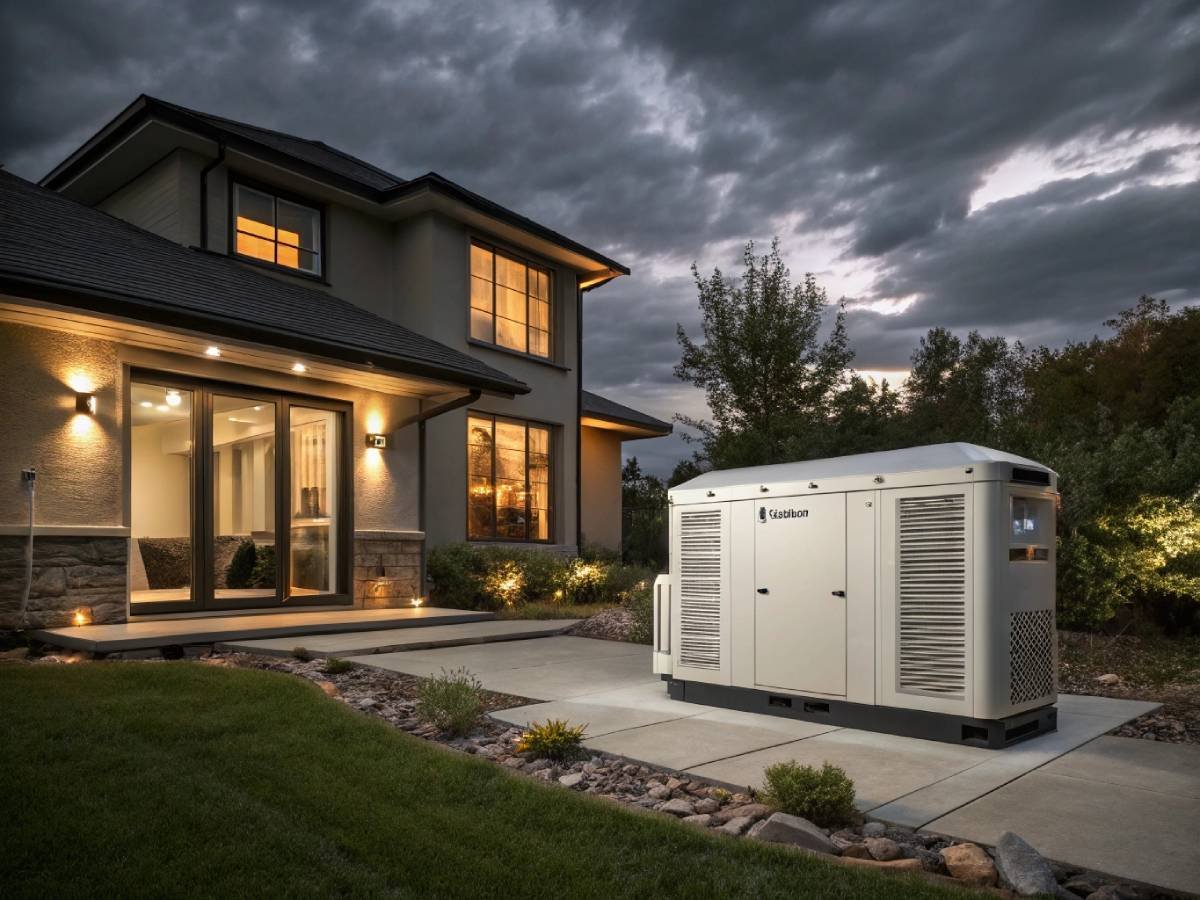
Imagine the scene: a fierce storm rolls through, or perhaps an unexpected grid failure, and suddenly your lights flicker, then die. Most homes plunge into darkness and silence. But for some, the power seamlessly shifts, the lights stay on, the fridge hums, and life continues with barely a hiccup. This isn't magic; it's the profound advantage of a standby generator. Evaluating the Benefits & ROI of Standby Generator Installation isn't just about avoiding inconvenience; it's about safeguarding your home, family, and peace of mind when the unexpected happens.
At a Glance: Why a Standby Generator Matters
- Automatic Peace of Mind: Powers on instantly when the grid fails, no human intervention needed.
- Whole-Home or Critical Load Coverage: Keeps essential appliances (or your entire house) running, from the fridge to the AC.
- Protects Your Investment: Prevents costly damages like flooded basements or spoiled food.
- Adds Home Value: Can increase your property's resale value by 3-5%.
- Potential Insurance Savings: Some carriers offer discounts for enhanced home safety.
- Essential for Modern Life: Supports work-from-home, medical devices, and security systems.
- Significant Investment: Expect total installed costs to range from $13,000 to over $28,000.
- Requires Maintenance: Annual professional service and regular homeowner checks are crucial for reliability.
What Exactly is a Standby Generator? Your Automatic Power Guardian
At its core, a standby generator is a permanent electrical system designed to provide backup power to your home automatically. Unlike a portable generator you wheel out and manually start, a standby unit is installed outside your house, much like an air conditioning unit. It lives in a weather-resistant enclosure, ready to spring into action at a moment's notice.
These sophisticated systems are wired directly into your home's main electrical panel and typically operate on natural gas or liquid propane, ensuring a continuous fuel supply without the need for manual refueling during an outage. Residential whole-home units generally range from 7.5 kilowatts (kW) to 26 kW, capable of powering everything from a few critical circuits to your entire property.
The Brains Behind the Power: The Automatic Transfer Switch (ATS)
The true genius of a standby generator lies in its Automatic Transfer Switch (ATS). This intelligent component constantly monitors the utility power coming into your home. The second it detects a power loss, the ATS performs a critical sequence:
- It safely disconnects your home from the utility grid.
- It sends a command to your generator to start.
- Once the generator reaches proper voltage and frequency (usually within about a minute), the ATS seamlessly transfers your home's electrical load to the generator.
This automated process is not just convenient; it's essential for safety. It prevents dangerous "back-feeding" electricity into the utility lines, a practice mandated against by the National Electrical Code to protect utility workers. No more fumbling in the dark or racing against time to protect your perishables.
Beyond Convenience: The Core Benefits of Standby Power
While the sheer convenience of uninterrupted power is a major draw, the benefits of a standby generator extend far deeper, impacting your safety, finances, and overall quality of life.
Uninterrupted Living: Comfort, Safety, and Health
When the grid goes dark, a standby generator ensures your household essentials remain operational. This isn't just about keeping the lights on; it's about maintaining a functional home.
- Food Preservation: Your refrigerator and freezer stay cold, preventing hundreds of dollars in spoiled food, especially crucial during extended outages.
- Climate Control: Your heating or air conditioning system continues to run, maintaining a safe and comfortable indoor temperature, a non-negotiable for families with infants, the elderly, or those with specific medical needs.
- Medical Equipment: For individuals relying on powered medical devices like oxygen concentrators or CPAP machines, a standby generator can be a literal lifesaver.
- Lighting and Communication: Beyond basic lighting, you can keep your phones, laptops, and other devices charged, ensuring you stay connected and informed during an emergency. This is a crucial part of your emergency power plan.
Protecting Your Home and Valuables
Power outages don't just cause inconvenience; they can lead to significant property damage and financial loss. A standby generator acts as a vigilant protector.
- Preventing Water Damage: If you have a sump pump, a power outage means a flooded basement is a real and expensive threat. A generator ensures your sump pump keeps running, actively preventing thousands of dollars in repairs.
- Guard Against Frozen Pipes: In colder climates, a lack of heat during winter outages can lead to burst pipes, a catastrophic event requiring extensive and costly repairs.
- Security Systems: Your security cameras, alarms, and exterior lighting remain operational, deterring potential intruders and keeping your property safe even when the neighborhood is dark.
- Preserving Digital Assets: Protecting sensitive electronics from power surges when power is restored can also prevent data loss or equipment damage.
Maintaining Productivity and Connection
In today's interconnected world, many of us work from home, conduct online learning, or rely on internet access for essential services. A power outage can bring all of this to a grinding halt.
- Work-from-Home Continuity: Business owners and remote employees can continue working without interruption, preventing lost income or missed deadlines.
- Educational Continuity: Students can attend online classes or complete assignments without worrying about power disruptions.
- Staying Connected: Beyond work, maintaining internet and TV access means staying informed, entertained, and connected with loved ones, reducing the stress and isolation often associated with outages.
Peace of Mind, Always On
Perhaps the most invaluable benefit isn't quantifiable: the unwavering peace of mind. Knowing your home and family are protected, no matter what Mother Nature throws your way, allows you to relax and focus on what truly matters during an emergency. There's immense comfort in the knowledge that your lights will stay on, your food will remain safe, and your essential systems will continue to function.
Understanding the ROI: Is a Standby Generator a Smart Investment?
Given the significant upfront costs, it’s natural to question the financial return on investment (ROI) for a standby generator. While it's not a direct money-making venture like a stock, the ROI manifests in a blend of tangible savings, avoided losses, and increased property value.
The Initial Outlay: What to Expect
A standby generator system is a substantial investment, reflecting its complex technology and professional installation requirements.
- Equipment Costs: The generator unit itself, along with the Automatic Transfer Switch (ATS), can range from $5,000 to over $15,000, depending on wattage, brand, and features.
- Professional Installation Labor: This is a critical component and often matches or even exceeds the equipment cost. You'll need licensed electricians for wiring and ATS integration, and qualified plumbers or gas fitters for fuel line connections. Labor can run from $2,000 to $5,000, but for larger, more complex projects, it can be significantly more.
- Total Installed Costs: When you combine equipment, labor, and additional necessities, total installed costs frequently start around $13,000 and can easily reach $28,000 or more for larger, whole-home systems.
- Additional Upfront Expenses: Don't forget site preparation (e.g., a concrete pad for the generator, which can add $500-$1,500) and local permits/inspections, which are mandatory and vary by municipality.
Long-Term Costs: Maintenance & Fuel
The investment doesn't end after installation. Ongoing costs ensure your generator remains reliable and ready.
- Mandatory Annual Professional Service: These contracts are crucial for ensuring your generator is in peak operating condition. They typically involve changing engine oil and filters (air, fuel), and detailed electrical inspections. Neglecting this can lead to more expensive repairs down the line. Expect to pay several hundred dollars annually.
- Fuel Infrastructure & Management:
- Natural Gas: Offers an unlimited supply via your existing utility line, meaning no refueling. However, widespread interruptions to natural gas lines during major disasters are possible.
- Liquid Propane (LP): Requires a dedicated, securely stored propane tank, which incurs upfront cost and ongoing delivery charges. The advantage is an independent fuel source.
- Weekly Self-Tests: All units perform a brief (15-30 minute) weekly self-test to lubricate parts and ensure immediate functionality. This is vital to prevent issues like "wet stacking," where unburnt fuel accumulates.
- Homeowner Checks: Periodically, you'll need to verify oil and coolant levels, inspect belts and hoses, and confirm the generator is always in "Auto" mode.
Quantifiable Returns: Where Your Investment Pays Off
The ROI of a standby generator isn't always about direct cash back, but rather a combination of added value, avoided expenses, and increased market desirability.
- Increased Property Value: A professionally installed standby generator can boost your home’s resale value by 3% to 5%. This is especially true in markets prone to frequent outages, where such a feature makes a property significantly more desirable to potential buyers. Think of it as a permanent upgrade, much like a renovated kitchen or bathroom.
- Potential Insurance Discounts: Some insurance carriers view standby generators as an added layer of safety and property protection. As a result, they may offer a small discount on homeowner's premiums, typically in the range of 3% to 7%. While not massive, these savings add up over time.
- Avoiding Costly Damages: This is one of the most significant, yet often overlooked, financial benefits.
- Preventing a flooded basement from a failed sump pump can save you thousands in remediation, repairs, and replacement of damaged goods.
- Safeguarding hundreds of dollars worth of food in your refrigerator and freezer during an extended outage.
- Protecting pipes from freezing and bursting in cold climates.
- Business Continuity: For those who work from home, a power outage isn't just an inconvenience; it's a disruption to income. A standby generator ensures your home office remains functional, preventing lost wages or business.
The "Payback" Scenario: When Does It Make Sense?
The optimal time to consider a standby generator is highly dependent on your specific circumstances:
- Local Risk Profile: Homes in areas prone to severe weather (ice storms, hurricanes, wildfires) or with historically unreliable utility infrastructure will see higher tangible benefits and a faster "payback" in avoided losses.
- Critical Load vs. Whole-House Needs: Evaluate if you truly need a whole-house system or if a smaller unit capable of powering only critical loads (refrigeration, heating, sump pumps, a few lights) would suffice. This can significantly reduce initial costs and ongoing fuel consumption.
- Dependence on Power: If you have medical equipment, run a home-based business, or simply cannot tolerate power interruptions, the ROI shifts from purely financial to also encompass health, safety, and productivity.
Ultimately, evaluating the true cost of home generators involves weighing installation and ongoing maintenance against potential savings from prevented damages, increased property value, and the priceless value of peace of mind.
Standby vs. Portable: A Clear Choice for Different Needs
While both types of generators provide backup power, they serve fundamentally different purposes and offer distinct experiences. Understanding these differences is key to making the right choice for your home.
| Feature | Standby Generator | Portable Generator |
|---|---|---|
| Installation | Permanent, installed outside by professionals. | Movable, temporary setup during outages. |
| Automation | Fully automatic via ATS. Starts/stops on its own. | Manual start, requires human intervention. |
| Power Output | High (7.5 kW - 26 kW+), often whole-home. | Lower (1 kW - 8 kW), typically critical circuits. |
| Fuel Source | Natural gas or liquid propane (continuous supply). | Gasoline (manual refueling, storage challenges). |
| Runtime | Indefinite (natural gas) or until propane runs out. | Limited by fuel tank size, requires constant monitoring. |
| Safety | Safer, installed away from home, no back-feeding. | Risk of carbon monoxide poisoning (must be outdoors), fire risk if stored improperly. |
| Noise Level | Generally quieter than portables (designed for fixed placement). | Can be very loud. |
| Cost (Upfront) | Higher ($13,000 - $28,000+ installed). | Lower ($500 - $3,000+). |
| Maintenance | Rigorous, professional annual service required. | Basic checks, less intensive. |
| Convenience | Unmatched, seamless power transition. | Requires manual setup, fueling, and attention. |
| For automated, comprehensive, and worry-free power during outages, the standby unit is the superior choice. If you're weighing different types of residential generators, consider the long-term value of an automatic system. |
Installation: What Does It Really Involve?
Installing a standby generator is not a DIY project. It's a complex undertaking that requires specialized expertise and adherence to strict safety codes.
The Professional Team You'll Need
- Licensed Electricians: Essential for connecting the generator to your home’s electrical system and installing the Automatic Transfer Switch (ATS). They ensure everything is wired safely and according to the National Electrical Code.
- Qualified Plumbers/Gas Fitters: Required for running the necessary fuel lines (natural gas or propane) to the generator. This involves expertise in gas pressure, line sizing, and leak detection.
Site Preparation
Before the generator unit arrives, the site needs to be prepared. This usually involves:
- Concrete Pad: A level, stable concrete pad is poured or pre-fabricated to provide a secure foundation for the heavy generator. This often includes elevating the unit slightly to protect against flooding.
- Clearance Requirements: Local zoning ordinances dictate specific distances from property lines, windows, and openings to ensure proper ventilation for exhaust and to mitigate noise levels.
Permits and Inspections
Don't skip this step. Local authorities require permits for generator installation to ensure all work meets safety and building codes. This process typically involves:
- Submitting plans to your local building department.
- Passing inspections at various stages of the installation (electrical, plumbing, final).
It's highly recommended to obtain multiple quotes from reputable, licensed, and insured contractors. This ensures you get a competitive price and can assess the scope of work thoroughly. To get started, you can Find local generator installers who are qualified for these intricate projects.
Keeping Your Generator Ready: Essential Maintenance
A standby generator is an engine, and like any engine, it requires diligent maintenance to remain reliable. Neglecting maintenance can turn a significant investment into an expensive paperweight when you need it most.
The Weekly Self-Test: Your Generator's Heartbeat
All standby generators are programmed to perform a weekly self-test, typically running for 15-30 minutes. This isn't just for show; it's a critical function that:
- Lubricates Parts: Keeps engine components moving, preventing them from seizing up from disuse.
- Prevents Wet Stacking: Burn off uncombusted fuel and carbon deposits that can build up, particularly in natural gas units.
Annual Professional Service: Non-Negotiable Reliability
Beyond the weekly test, your generator requires mandatory annual professional service. This comprehensive check-up, performed by a certified technician, includes:
- Fluid Changes: Changing the engine oil and oil filter.
- Filter Replacements: Replacing air and fuel filters.
- Detailed Inspections: Checking belts, hoses, spark plugs, battery health, electrical connections, and fuel system integrity.
- Software Updates: Ensuring the control board's software is current.
This annual service, typically costing several hundred dollars, is the best insurance against costly repairs and ensures your generator is truly "standby ready." For more detailed guidance, consider reviewing essential generator maintenance tips.
Homeowner Checks: Your Role in Uptime
While professionals handle the heavy lifting, homeowners have a crucial role in periodic checks:
- Verify "Auto" Mode: Always ensure the generator's control panel is set to "Auto" mode so it can respond to outages.
- Monitor Levels: Periodically check oil and coolant levels, topping off as needed.
- Visual Inspection: Look for visible signs of wear, leaks, or corrosion on belts, hoses, and wiring.
- Clear the Area: Ensure the area around the generator is free of debris, snow, and anything that could obstruct airflow.
Battery Maintenance: The Spark of Life
The generator's battery is its starting point.
- Inspect Regularly: Every three months, inspect battery terminals for corrosion and ensure connections are clean and tight. If it's a wet cell battery, check fluid levels.
- Trickle Charger: Many modern standby generators come with an integrated trickle charger to maintain battery health. Ensure it’s functioning.
- Replace as Needed: Generator batteries typically need replacement every 3-5 years.
Fuel Management Considerations
Your choice of fuel impacts maintenance and reliability:
- Natural Gas: Requires minimal homeowner fuel management since it’s piped in. However, ensure the gas line is regularly inspected for leaks.
- Liquid Propane: Requires monitoring your tank levels to ensure sufficient supply. Establish a reliable delivery schedule with your propane provider. Regular inspection of the tank and lines is also critical.
Common Questions About Standby Generators
When considering such a significant home improvement, questions abound. Here are some common queries, answered concisely.
How Long Can a Standby Generator Run?
With a continuous natural gas supply, a standby generator can run indefinitely, as long as the gas line is operational. For propane-fueled units, runtime is limited by the size of your propane tank and your home's fuel consumption, but large tanks can provide days or even weeks of power.
Are Standby Generators Noisy?
Modern standby generators are designed with noise reduction in mind, housed in sound-attenuated enclosures. While they produce noise when running (similar to a large air conditioning unit), their placement away from windows and property lines (as dictated by zoning ordinances) helps minimize disturbance. The noise levels are generally much lower than portable generators.
Can I Install a Standby Generator Myself?
Absolutely not. As detailed earlier, standby generator installation involves complex electrical and fuel line connections that must be handled by licensed professionals (electricians and plumbers/gas fitters). Attempting a DIY installation is dangerous, voids warranties, and violates local codes, potentially leading to fines or serious accidents.
What Size Generator Do I Need?
The ideal size depends on your specific needs.
- Whole-house units (15 kW to 26 kW+) can power everything, including central air conditioning and electric heating.
- Critical load units (7.5 kW to 12 kW) are designed to keep essential systems running, like your refrigerator, furnace, well pump, and a few lights.
A professional installer can perform a load calculation to recommend the perfect size for your home and budget. How Automatic Transfer Switches work and generator sizing are often discussed together.
How Long Do Standby Generators Last?
With proper installation and diligent annual professional maintenance, a standby generator can last 20 to 30 years or even longer. Like any mechanical system, longevity is directly tied to how well it's cared for.
Making Your Decision: Beyond the Numbers
The decision to install a standby generator is a multifaceted one, extending beyond simple cost-benefit analysis. It's about assessing your household's unique needs, your tolerance for disruption, and the specific risk profile of your location.
- Evaluate Your Local Environment: Are you in an area with frequent severe weather? Is your local utility infrastructure prone to outages? The more common and prolonged power losses are, the greater the tangible and intangible benefits of a standby unit become.
- Prioritize Your Needs: Consider your family's health and safety requirements. Do you have medical equipment, young children, or elderly family members who are vulnerable to temperature extremes? Is working from home a non-negotiable?
- Assess Risk Tolerance: How much financial risk are you willing to take regarding spoiled food, property damage, or lost income? The cost of not having backup power can sometimes outweigh the investment.
- Consider Resale Value: If you plan to sell your home in the future, a standby generator can be a powerful differentiator, appealing to buyers looking for added security and convenience.
Ready to Secure Your Power? Your Next Steps
Investing in a standby generator is a significant decision, but for many homeowners, the peace of mind and protection it offers are invaluable. It’s an upgrade that pays dividends in comfort, safety, and property value, especially in an unpredictable world.
If you're ready to explore the possibility for your home, your next step is to connect with professionals. Start by:
- Assessing Your Needs: Determine what you absolutely need powered during an outage (critical loads) versus what would be nice to have (whole-home).
- Researching Local Ordinances: Understand your municipality's rules regarding generator placement and permits.
- Obtaining Multiple Quotes: Contact several licensed and insured contractors for site visits and detailed estimates. This will help you understand the full scope and cost of installation.
- Planning for Maintenance: Factor in the ongoing annual professional service costs.
Don't wait for the next power outage to realize the true worth of uninterrupted power. Take control of your home's energy future today.